US Inflation Hits New High Amid Middle East Energy Crisis
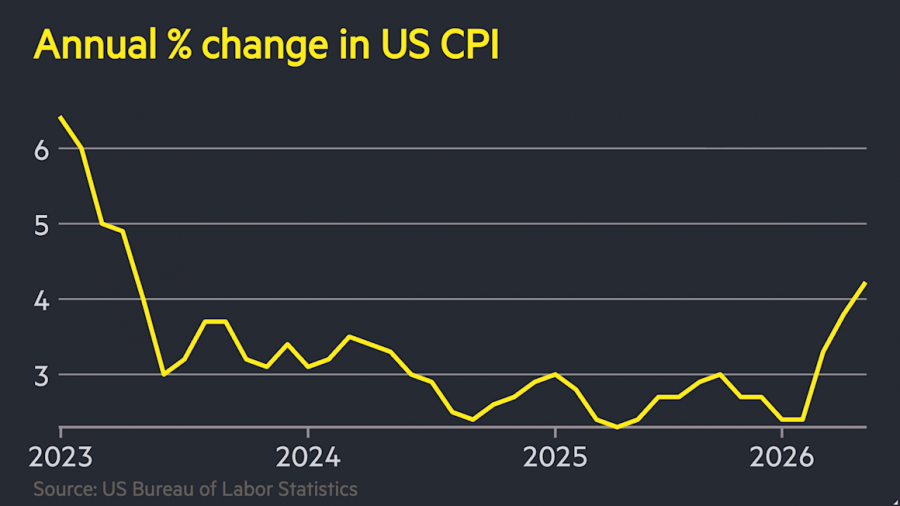
In a startling economic development, the United States has recorded an inflation rate of 4.2% in May, marking the highest level seen in three years. This significant increase can be attributed largely to disruptions in energy supplies stemming from ongoing tensions in the Middle East, which have sent energy prices soaring.
Understanding the Inflation Surge
The inflation rate, as reported by the Bureau of Labor Statistics, has raised alarm bells among economists and policymakers alike. A 4.2% inflation rate is not merely a statistic; it impacts consumers across the nation, affecting everything from grocery bills to gas prices. With the cost of living on the rise, many households are feeling the financial strain.
Key Drivers Behind the Inflation Spike
Several factors have contributed to this unexpected rise in inflation. Here are the primary drivers:
- Energy Prices: The energy sector has been particularly volatile, with crude oil prices surging due to geopolitical tensions in the Middle East. These tensions have disrupted supply chains, leading to higher costs for consumers.
- Supply Chain Disruptions: The lingering effects of the COVID-19 pandemic continue to create supply chain bottlenecks, exacerbating the availability and pricing of goods.
- Consumer Demand: As the economy gradually reopens, consumer demand has surged, putting further pressure on prices.
Impact on Consumers and the Economy
The implications of a 4.2% inflation rate are profound. For consumers, this means that everyday essentials are becoming more expensive. Families are likely to adjust their budgets, prioritizing necessities over luxuries. The increase in inflation could also lead to a shift in consumer behavior, as households may start to spend less in anticipation of rising prices.
Federal Reserve’s Response
The Federal Reserve, which aims to maintain stable prices and maximum employment, is closely monitoring the inflation situation. Officials have indicated that they may need to consider adjusting monetary policy if inflation continues to rise. This could involve increasing interest rates, which might slow down economic growth but could help control prices.
Looking Ahead: What This Means for the Future
As the situation unfolds, it is essential for consumers and businesses alike to stay informed about how inflation may continue to impact the economy. Experts are divided on whether this spike is a temporary phenomenon or a signal of more persistent inflationary pressures. The coming months will be crucial in determining the trajectory of US inflation.
Conclusion
The recent spike in inflation to 4.2% is a clear indicator of the current economic climate. With energy prices affected by geopolitical uncertainties and ongoing supply chain issues, consumers will need to prepare for a potentially prolonged period of rising costs. Policymakers and economic experts alike will be watching closely to see how these trends develop.