Renewed Tensions in the Middle East
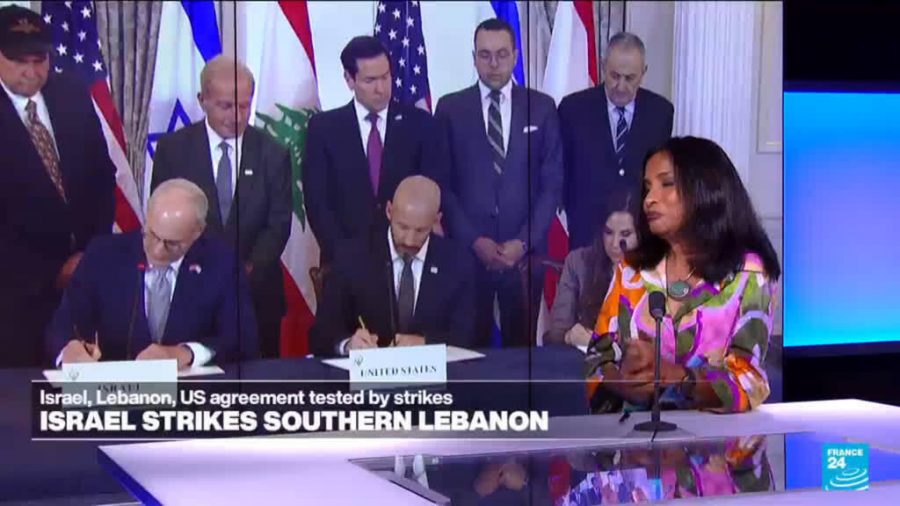
The fragile ceasefire agreement between the United States and Iran faced a daunting challenge this weekend following a series of military strikes that have raised concerns about escalating violence in the region. The Israeli military conducted an air strike on Saturday in the Nabatiyeh area of southern Lebanon, just a day after the US announced a framework agreement aimed at fostering peace between Israel and Lebanon.
The Context of the Ceasefire Agreement
In a globally significant diplomatic effort, the United States recently brokered a framework agreement that sought to stabilize tensions between Israel and Lebanon. This initiative was welcomed by many as a step towards reducing hostilities in an area long plagued by conflict. However, the recent developments have cast a shadow over these diplomatic efforts.
Israeli Air Strikes Raise Alarm
The air strike in Nabatiyeh marks a significant escalation in military action, prompting fears that the ceasefire could collapse. The targeted area is known to harbor various militant groups, which have been a source of tension between Israel and its neighbors. Israeli officials have justified the strike, claiming it was necessary to neutralize threats to national security.
Tehran’s Response to US Actions
In the wake of the air strike, Tehran reacted strongly, accusing Washington of violating the peace deal. Iranian officials described the US strikes on their southern defense facilities as a “blatant violation” of the diplomatic framework established to promote peace. This accusation underscores the fragile nature of the agreement and highlights the complexities of regional politics.
International Reactions
The international community has expressed concern regarding the renewed hostilities. France 24’s International Affairs Editor Leela Jacinto provided insights, noting that the ongoing violence could derail the delicate negotiations that had been taking place. She emphasized that any military action could provoke further responses from Iran and its allies, potentially leading to a broader conflict.
The Stakes of Continued Violence
The prospect of an all-out war looms large as military actions continue to unfold. Analysts warn that if the ceasefire collapses, the ramifications could extend beyond the immediate region, affecting global stability and international relations. The potential for escalation is significant, especially given Iran’s commitment to supporting its allies in the region.
A Path Forward?
As tensions rise, the question remains: can diplomatic efforts still succeed in this volatile environment? The US, alongside other global powers, must navigate a complex landscape of alliances and hostilities. Many experts argue that renewed dialogue is essential to prevent further military engagement and to work towards a sustainable peace.
- Challenges Ahead: The road to peace is fraught with obstacles, including mutual distrust and entrenched positions.
- Need for Diplomacy: Continued dialogue between the US, Iran, and regional players is crucial to de-escalating tensions.
- Global Implications: The outcomes in this region could have far-reaching effects on international security and economic stability.
In conclusion, the recent Israeli air strikes and the subsequent Iranian backlash illustrate the precarious situation in the Middle East. As the world watches closely, it remains to be seen whether diplomatic efforts can withstand the pressures of ongoing military actions and pave the way for lasting peace.