US and Iranian Officials Engage in Crucial Talks in Switzerland
In a significant diplomatic effort, US and Iranian officials have convened in Switzerland to address escalating tensions and a tenuous ceasefire agreement. This meeting comes just five days into a 60-day ceasefire that is already showing signs of strain, raising concerns about the stability of the region and the broader implications for international security.
The Strait of Hormuz: A Geopolitical Flashpoint
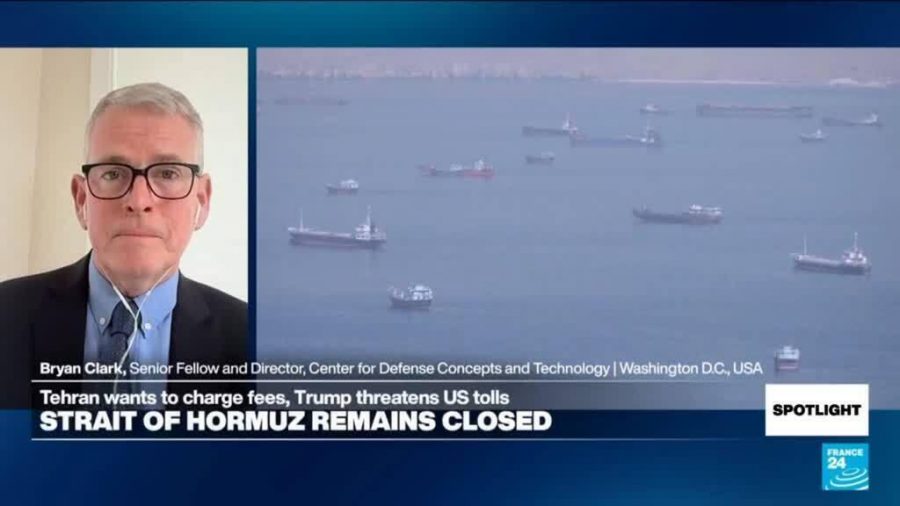
The Strait of Hormuz, a vital waterway through which a substantial portion of the world’s oil supply is transported, remains at the center of geopolitical tensions. Iran has asserted that it has effectively closed this critical passage, a claim that has alarmed global markets and heightened fears of further military engagement. Tehran’s justification for this action is rooted in the ongoing conflicts in Lebanon and the broader regional instability, which it argues necessitates a strong response.
Focus of the Talks
While the talks in Switzerland aim to address the immediate ceasefire, they also serve a broader purpose. According to US officials, the discussions are primarily focused on curtailing Iran’s nuclear weapons ambitions—a central issue in US-Iran relations for years. The Biden administration is keen on securing a comprehensive agreement that not only prevents Iran from developing nuclear capabilities but also fosters a lasting resolution to the ongoing conflicts in the region.
Iran’s Position on Nuclear Weapons
Iran has consistently maintained that its nuclear program is for peaceful purposes, despite widespread skepticism from the international community. The country’s leadership has emphasized its right to pursue nuclear technology, arguing that it is essential for national security and development. However, the US and its allies remain wary, fearing that Iran’s advancements could lead to the development of nuclear weapons.
Regional Implications
The current situation is not only a test of US-Iran relations but also has profound implications for regional stability in the Middle East. The conflict in Lebanon, where Iranian-backed groups are engaged in fierce battles, underscores the complexity of the situation. Analysts warn that if the ceasefire collapses, it could trigger a wider conflict, drawing in multiple nations and destabilizing an already volatile region.
The Role of International Actors
As the US and Iran navigate these critical talks, other international actors, including European nations and Russia, are closely monitoring the developments. The potential for a renewed nuclear deal hinges on the cooperation and support of these countries, which have a vested interest in maintaining stability in the Middle East.
Looking Ahead
As the talks progress, the world watches closely. The outcome could reshape the geopolitical landscape, with far-reaching consequences for energy markets and global security. The coming weeks will be crucial in determining whether the ceasefire can hold and whether a new framework for peace can be established in the region.
Conclusion
The negotiations in Switzerland represent a pivotal moment in US-Iran relations. With the fate of the Strait of Hormuz and the future of nuclear negotiations hanging in the balance, the stakes are higher than ever. Both nations face a challenging path forward, with the potential for both conflict and cooperation looming on the horizon.