US Strikes Iran After Escalating Tensions in the Strait of Hormuz
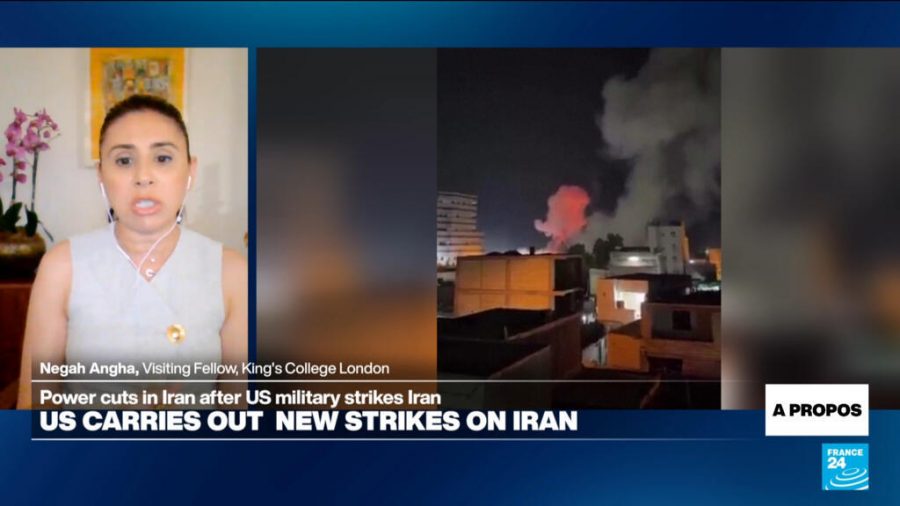
In a significant escalation of military activity, the United States launched a new round of strikes against Iran on Wednesday. This action comes just hours after President Donald Trump declared that recent Iranian attacks on commercial vessels in the Strait of Hormuz had effectively ended the ceasefire between the two nations.
Background of the Conflict
The Strait of Hormuz, a vital waterway through which a substantial portion of the world’s oil supplies flows, has been a flashpoint for tensions between the United States and Iran. In recent weeks, Iranian forces have been implicated in attacks on several ships, raising alarms about the safety of navigation in this critical region.
The US Military’s Response
Following these provocations, U.S. military officials announced on social media that the recent strikes were aimed at “further degrading” Iran’s capabilities to threaten freedom of navigation in the Strait of Hormuz. The strikes are part of a broader strategy to deter Iranian aggression and protect international shipping lanes.
Statements from President Trump
President Trump, in his address to the nation, emphasized the U.S. commitment to maintaining peace and security in the region. He stated, “Iran’s actions have made it clear that they are not interested in peaceful negotiations. The time for restraint has passed, and the United States will respond decisively to any threats against our interests or allies.” His strong rhetoric underscores the administration’s hardline stance on Iran.
International Reactions
The U.S. strikes have drawn mixed reactions from the international community. Some nations have expressed support for the U.S. actions, citing the importance of safeguarding maritime routes, while others have condemned the strikes as an escalation that could lead to further conflict.
- Support from Allies: Key U.S. allies in the region have backed the strikes, viewing them as necessary to deter Iranian aggression.
- Concerns from Opponents: Critics warn that the military action could spiral into a larger conflict, potentially drawing in more countries.
Expert Analysis
To gain further insight into the situation, FRANCE 24’s Yinka Oyetade spoke with Negah Angha, a Visiting Fellow with King’s College London. Angha noted that the strikes represent a significant shift in U.S. policy towards Iran. “The U.S. is signaling that it will no longer tolerate threats to maritime security and will take active measures to protect its interests,” he explained.
Implications for Regional Stability
The ongoing tensions between the U.S. and Iran could have far-reaching consequences for regional stability. The Strait of Hormuz is not only a crucial passage for oil but also a strategic military point. Any further escalation could disrupt global oil supplies and lead to heightened military presence from the U.S. and its allies in the region.
Looking Ahead
As the situation develops, the world watches closely. The U.S. has made it clear that it will respond to any future Iranian provocations decisively. The coming days and weeks may prove critical in determining the future of U.S.-Iran relations and the security of the Strait of Hormuz.
As both nations navigate this precarious situation, the potential for diplomatic solutions remains uncertain amidst the backdrop of military engagements.