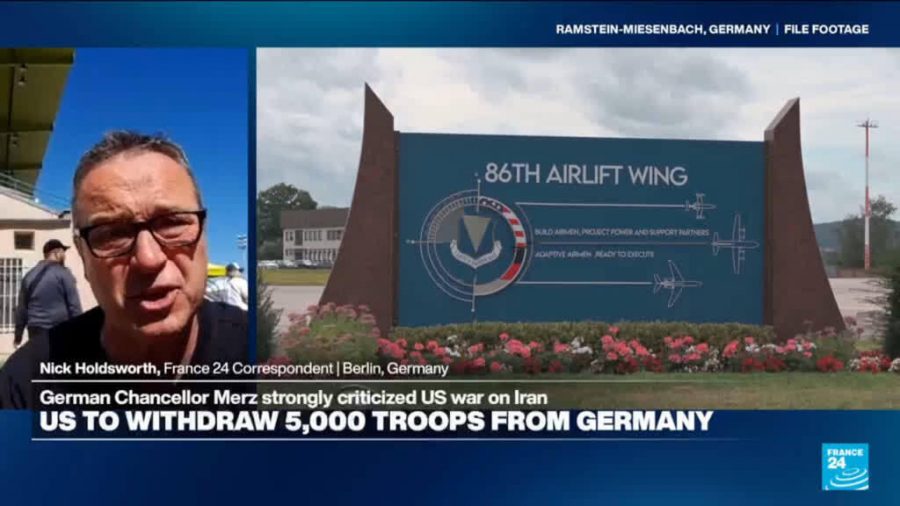
US to Withdraw 5,000 Troops from Germany: A Shift in Military Strategy
In a significant move that signals a shift in U.S. military strategy in Europe, the United States Department of Defense announced on Friday its plans to withdraw approximately 5,000 American troops from Germany over the next year. This decision, which represents around 14 percent of the U.S. military presence in the NATO ally, is rooted in the broader context of diplomatic tensions and changing international relations.
Background of the Withdrawal
The troop withdrawal is part of an initiative originally proposed by former President Donald Trump, reflecting his administration’s push to decrease U.S. military commitments overseas. The announcement comes on the heels of tense diplomatic exchanges between the U.S. and Iran, with German Chancellor Angela Merkel recently stating that Iran was “humiliating” the United States. These comments sparked a sharp reaction from President Trump, who has been vocal about his dissatisfaction with European allies, particularly regarding their defense spending.
The U.S. Military Presence in Germany
For decades, Germany has hosted a substantial U.S. military presence, which has served as a critical component of NATO’s defense strategy in Europe. The justification for this presence has often been framed around the need to deter potential threats from Russia and to maintain stability in the region. However, the rationale for maintaining such a large contingent of troops has come under scrutiny as the geopolitical landscape evolves.
Reactions to the Announcement
The decision to withdraw troops has elicited varied reactions both domestically and internationally. Supporters of the move argue that it reflects a necessary reassessment of U.S. military commitments, enabling resources to be redirected to other strategic priorities. Critics, however, warn that reducing troop levels in Germany could embolden adversaries and undermine NATO’s collective security framework.
- Support for Withdrawal: Advocates argue that the withdrawal aligns with a broader trend toward reducing overseas military engagements and reflects a shift toward focusing on domestic issues.
- Concerns from Allies: NATO allies, particularly Germany, have expressed concerns that the withdrawal could weaken the alliance and diminish the U.S.’s role in European security.
- Potential Consequences: Analysts suggest that this strategic shift might embolden nations like Russia, who may perceive the reduction in U.S. military presence as a signal of decreased American commitment to European defense.
Looking Ahead
As the U.S. begins the process of withdrawing troops, the implications for transatlantic relations and European security remain to be seen. The Biden administration has yet to articulate a comprehensive strategy regarding military deployments in Europe, leaving many to speculate on the future of NATO and U.S. involvement in European defense.
The upcoming months will be crucial as the U.S. navigates its military commitments and diplomatic relationships in a rapidly changing global landscape. The troop withdrawal from Germany marks a pivotal moment in the U.S. military’s approach to its role in Europe, prompting discussions about the future of NATO and the United States’ strategic priorities on the global stage.