Venezuela’s Earthquake Response: The Heavy Burden of Chavismo’s Legacy
In the wake of a devastating earthquake, Venezuela finds itself grappling with a humanitarian crisis that is exacerbated by the long-standing legacy of ‘Chavismo.’ As the government struggles to mount an effective response, public anger is mounting against the socialist regime, which many blame for the nation’s inadequate disaster preparedness and response mechanisms.
The Earthquake Shakes a Nation
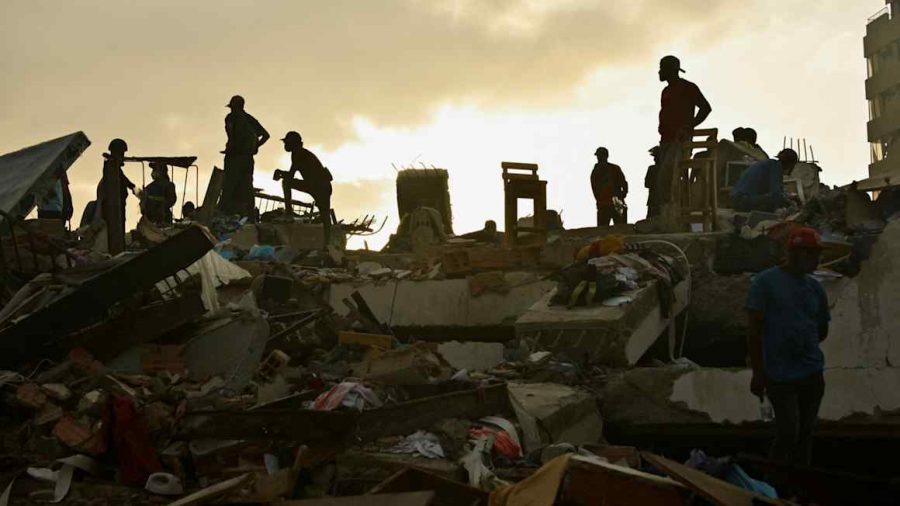
On a fateful day last week, a powerful earthquake rattled the northern coast of Venezuela, leaving destruction in its wake. Reports indicate significant damage to infrastructure, homes, and essential services, with thousands of residents displaced and in desperate need of aid. As the dust settled, the Venezuelan people looked to their leaders for swift action and support.
Chavismo’s Enduring Impact
However, the shadow of Chavismo—a political ideology rooted in the legacy of the late Hugo Chávez—looms large over the nation’s ability to respond to such crises. For over two decades, the socialist regime has centralized power and resources, often prioritizing political loyalty over effective governance. This has led to a systematic decline in the country’s emergency response capabilities.
A Crisis of Trust
As rescue efforts began, the shortcomings of the government’s response became glaringly apparent. Eyewitness accounts reveal delays in aid delivery, lack of coordination among emergency services, and insufficient supplies for those affected. Many residents took to social media platforms to express their frustrations, with hashtags calling for accountability trending across the nation.
International Assistance: A Double-Edged Sword
The plight of Venezuelans has drawn the attention of international organizations and foreign governments. While offers of assistance have poured in, the administration of Nicolás Maduro has been hesitant to accept help, fearing it could undermine its sovereignty. This reluctance further complicates an already dire situation, leaving many to wonder if the government can effectively manage the crisis without external support.
The Role of the People
Amidst the chaos, grassroots organizations and local volunteers have stepped up to fill the void left by the government. Community members are banding together to provide food, shelter, and medical assistance to those in need. This spirit of solidarity—often a hallmark of Venezuelan culture—stands in stark contrast to the ineffectiveness of the ruling regime.
Looking Ahead: The Need for Change
As Venezuela continues to grapple with the aftermath of the earthquake, the need for systemic change becomes increasingly evident. Analysts argue that without a shift away from the Chavista model, the country will remain ill-equipped to handle future crises. The current situation serves as a stark reminder of the vulnerabilities that arise when governance is sidelined by ideology.
Conclusion
In conclusion, the legacy of Chavismo is not just a historical footnote; it is a living reality that shapes the present and future of Venezuela. As the nation stands at a crossroads, the choices made in the coming weeks will determine not only the immediate recovery from this disaster but also the long-term resilience of a nation in distress.