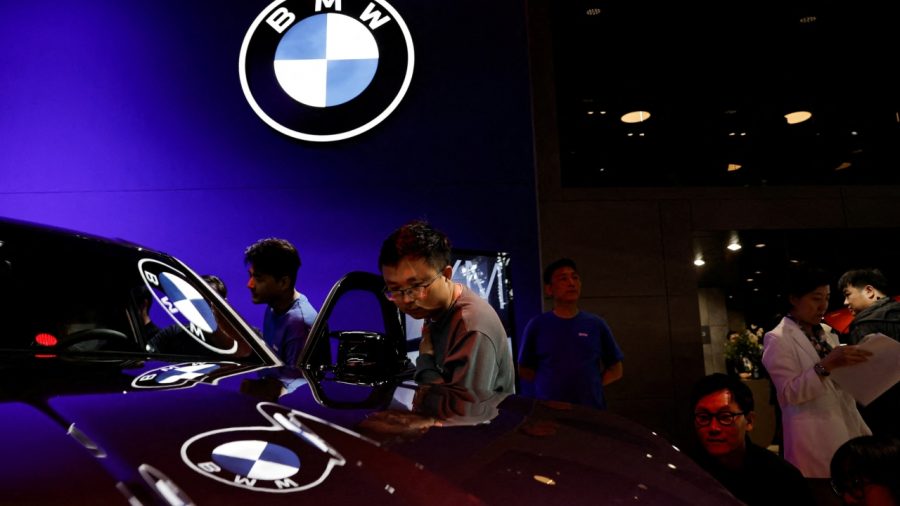
Volkswagen and BMW Sales Plummet in China Amid Ongoing Market Challenges
The German automotive giants Volkswagen and BMW are grappling with severe sales declines in the Chinese market, which has continued to deteriorate in recent months. This downturn is overshadowing positive performance in other regions, raising concerns about the future of these manufacturers in one of their most crucial markets.
Deepening Challenges in the Chinese Auto Market
China, once a booming hub for automotive sales, has seen a significant slowdown in consumer demand, heavily impacting foreign automakers. Volkswagen reported a staggering drop of 17% in its second-quarter sales in China, while BMW experienced a 22% decline in the same period. These figures underscore the mounting pressure on these brands to adapt to a rapidly changing market landscape.
Factors Contributing to the Decline
Several factors are contributing to this downturn in the Chinese auto market. Firstly, the COVID-19 pandemic has left a lasting impact on consumer behavior, with many potential buyers delaying purchases due to economic uncertainty. Additionally, increased competition from domestic manufacturers offering more affordable and technologically advanced vehicles has further squeezed the market share of established foreign brands.
- Economic Uncertainty: The Chinese economy is facing challenges, including slower growth rates and rising inflation, which have led consumers to be more cautious with their spending.
- Increased Competition: Local manufacturers in China are rapidly developing electric vehicles (EVs) and smart cars, appealing to a tech-savvy consumer base.
- Changing Consumer Preferences: There is a growing trend towards sustainability, with consumers increasingly prioritizing eco-friendly vehicles over traditional combustion engine cars.
Volkswagen’s Response to the Crisis
In response to the challenging sales environment, Volkswagen is taking proactive measures to bolster its performance in China. The company has announced plans to ramp up its electric vehicle offerings, aiming to capture a more extensive share of the EV market. With the Chinese government promoting green energy and sustainable transportation, this shift could potentially revitalize Volkswagen’s presence in the region.
BMW’s Strategic Adjustments
Similarly, BMW is adjusting its strategy to tackle the declining sales numbers. The luxury automaker is focusing on enhancing its electric and hybrid vehicle lineup while also investing in technology to improve the driving experience. By aligning with the growing demand for EVs, BMW hopes to regain consumer interest and stabilize its sales figures.
The Future Outlook for German Automakers
As the Chinese market continues to evolve, the outlook for Volkswagen and BMW remains uncertain. Market analysts suggest that unless these automakers can swiftly adapt to the changing dynamics and consumer preferences, they may face prolonged difficulties in one of the world’s largest automotive markets.
In conclusion, the significant sales declines for Volkswagen and BMW in China highlight the urgent need for these companies to innovate and respond to emerging trends. As competition intensifies and consumer preferences shift towards sustainability, the ability to pivot effectively will be crucial for the long-term success of these iconic brands in the Chinese automotive landscape.