Introduction
In a world where insurance is often touted as an essential safety net, one homeowner’s decision to forgo coverage raises intriguing questions about risk management and personal responsibility. This article explores the rationale behind this bold choice and its implications for homeowners everywhere.
The Decision to Drop Coverage
For many, the thought of living without home insurance seems reckless. However, for one reader, the decision was not made lightly. After years of paying premiums without filing a single claim, they began to question the value of their home insurance policy.
Cost vs. Benefit
Home insurance can be a substantial financial burden. According to a survey by the National Association of Insurance Commissioners, the average annual premium for homeowners insurance is around $1,200. For homeowners who have never experienced a loss, this expense can feel particularly onerous.
- Rising Costs: Premiums have been steadily increasing, often outpacing wage growth.
- Claims Denials: Many homeowners face obstacles when filing claims, leading to frustration and a sense of betrayal.
- Low Risk: In low-risk areas, the likelihood of experiencing a major loss diminishes the perceived need for insurance.
Personal Circumstances
In the case of our reader, a combination of factors influenced their decision. They had recently paid off their mortgage, which eliminated the bank’s requirement for insurance coverage. Additionally, their home was in a neighborhood with a low crime rate and minimal natural disaster risk. This unique situation made them reconsider the necessity of insurance.
The Risks of Going Uninsured
While the decision to drop home insurance may provide immediate financial relief, it is not without risks. Homeowners must consider the potential consequences of their choice:
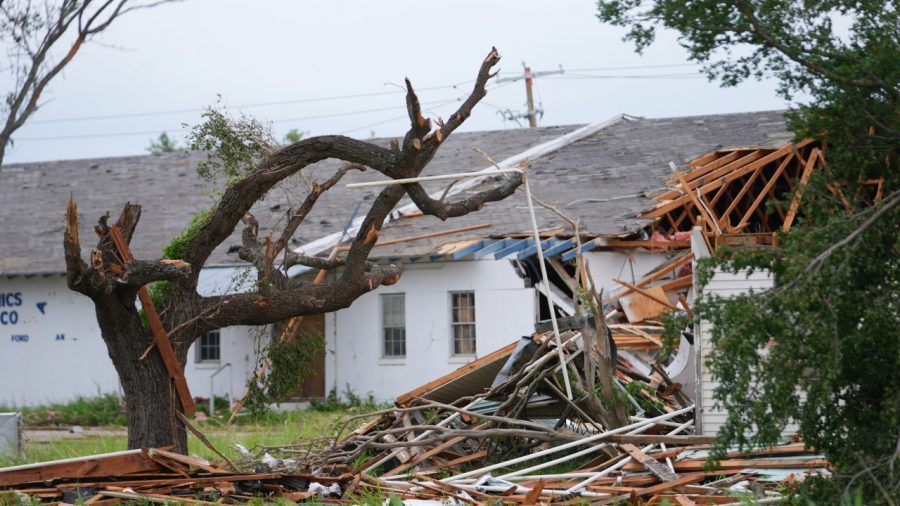
- Financial Exposure: Without insurance, any significant loss—whether from fire, theft, or natural disaster—would have to be covered out of pocket.
- Liability Issues: Homeowners can be held liable for accidents that occur on their property. Without insurance, this could lead to devastating financial repercussions.
- Peace of Mind: The psychological comfort that comes with having insurance can be invaluable, providing a sense of security that cannot be quantified.
Alternatives to Traditional Insurance
For those who share our reader’s sentiment but still wish to mitigate risk, several alternatives exist:
- Self-Insurance: Setting aside a dedicated savings fund to cover potential losses can serve as a self-insurance strategy.
- High-Deductible Policies: Opting for a high-deductible policy can lower premium costs while still providing some coverage in the event of a major incident.
- Home Security Systems: Investing in security measures can reduce the risk of theft and may even qualify a homeowner for discounts on future insurance premiums.
Conclusion
The choice to forgo home insurance is not one to be taken lightly. While it may seem like a financially savvy decision for some, it is essential to weigh the potential risks against the benefits. Homeowners must consider their personal circumstances, the risks involved, and the alternative strategies available to safeguard their assets. As our reader’s experience shows, sometimes the best insurance is no insurance, but it ultimately depends on individual risk tolerance and financial situation.