The World Health Organization (WHO) has officially declared the ongoing Ebola outbreak in the Democratic Republic of Congo (DRC) and Uganda a Public Health Emergency of International Concern (PHEIC). This urgent announcement comes as the deadly virus continues to wreak havoc, claiming 88 lives and resulting in over 300 suspected cases in the region.
Rising Death Toll Sparks Global Alarm
The declaration, made on Sunday, underscores the gravity of the situation and the imminent risks posed to neighboring countries. WHO officials emphasized the need for immediate, coordinated international action to prevent further spread of the disease. “This outbreak is a stark reminder of the global threat posed by emerging infectious diseases,” said Dr. Tedros Adhanom Ghebreyesus, WHO Director-General.
Recent reports from health authorities in both countries reveal that the Ebola virus has been spreading rapidly, particularly in remote regions where access to healthcare is limited. The outbreak has overwhelmed local health systems, leaving medical personnel struggling to manage the growing number of cases.
What is a Public Health Emergency of International Concern?
A PHEIC is the highest level of alert issued by WHO and is reserved for extraordinary events that pose a public health risk through the international spread of disease. Declaring a PHEIC allows for a more robust global response, including enhanced funding, resource allocation, and cross-border collaboration.
Previous PHEIC declarations include the 2014-2016 Ebola outbreak in West Africa, the Zika virus epidemic in 2016, and the ongoing COVID-19 pandemic. Each of these crises highlighted the need for swift international cooperation to mitigate the impact of such devastating outbreaks.
Regional Concerns and Containment Efforts
The current outbreak originated in the DRC but has swiftly crossed borders into Uganda, raising concerns about its potential to spread to other East African nations. Officials fear that porous borders and high population mobility in the region could exacerbate the crisis.
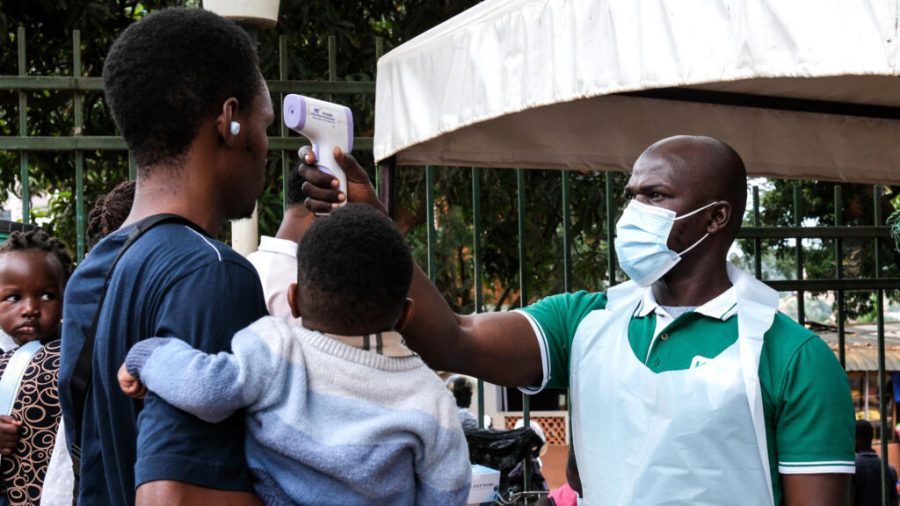
Both countries have ramped up their containment strategies, with health workers conducting screenings at border crossings, airports, and other entry points. Vaccination campaigns are also underway, targeting high-risk communities and frontline healthcare workers. However, logistical challenges and vaccine hesitancy remain significant barriers to effective containment.
Urgent Need for International Support
WHO has called on the global community to provide financial and logistical support to affected countries. The organization estimates that millions of dollars will be needed to fund emergency response efforts, including surveillance, contact tracing, and public awareness campaigns.
“The world must act swiftly and decisively to prevent this outbreak from escalating into a full-blown regional crisis,” said Dr. Matshidiso Moeti, WHO Regional Director for Africa. “Solidarity is critical at this juncture.”
- Community Engagement: Local leaders and organizations are being mobilized to disseminate accurate information about Ebola prevention and treatment.
- Enhanced Surveillance: Efforts are being ramped up to identify new cases quickly and prevent further transmission.
- Global Collaboration: International agencies and NGOs are working together to provide medical supplies, personnel, and logistical support.
A Battle Against Time
As the death toll continues to rise, the clock is ticking for global health authorities to contain the outbreak before it spirals further out of control. The WHO’s declaration of a global health emergency is a clarion call for action, highlighting the urgent need for resources, cooperation, and vigilance.
For now, the world watches as the DRC and Uganda fight to contain the virus, hoping that swift action will prevent another catastrophic outbreak like the one that devastated West Africa less than a decade ago.