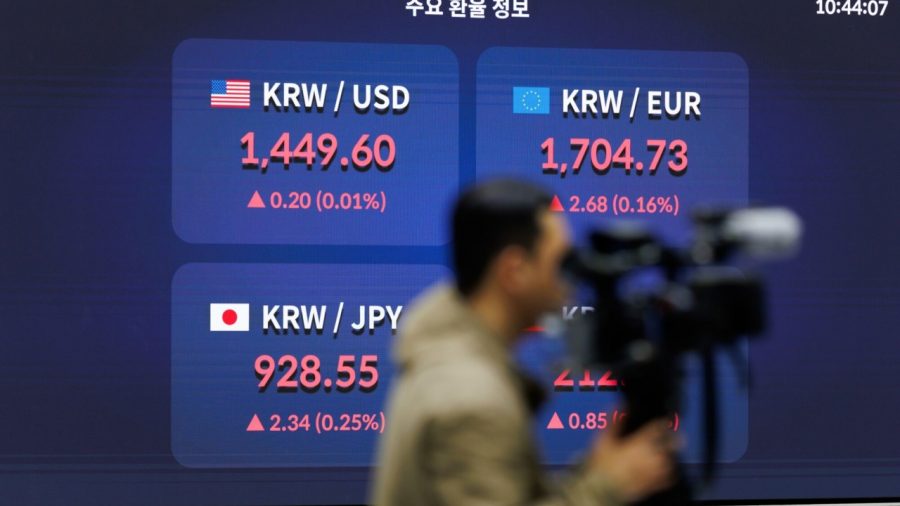
Understanding the Decline of Asian Currencies
In recent months, Asian currencies have experienced significant depreciation, as various economic factors converge to create a challenging environment for financial markets across the region. This article explores the key reasons behind the weakening of these currencies, focusing on the energy crisis, rising U.S. interest rates, and increasing AI-related spending.
The Energy Crisis and Its Impact
The ongoing energy crisis has created substantial volatility in Asian economies, particularly for those heavily reliant on energy imports. As global energy prices soar, countries in the region are forced to navigate higher costs that strain their trade balances.
- High Import Costs: Many Asian nations have seen their import bills rise sharply, leading to unfavorable trade balances.
- Inflationary Pressures: The surge in energy prices contributes to broader inflation, prompting central banks to adjust monetary policies.
- Currency Devaluation: As trade deficits widen, local currencies face downward pressure, further exacerbating economic challenges.
The Influence of U.S. Interest Rates
The U.S. Federal Reserve’s decision to increase interest rates has also played a pivotal role in the depreciation of Asian currencies. Higher U.S. interest rates attract foreign investment, leading to a stronger dollar and weaker local currencies.
- Capital Flight: Investors are pulling funds from Asian markets to seek better returns in the U.S., diminishing demand for local currencies.
- Debt Challenges: Countries with dollar-denominated debt face increased repayment burdens as their currencies weaken.
- Market Sentiment: A stronger dollar often shifts investor sentiment, further discouraging investment in Asian economies.
AI Spending: A Double-Edged Sword
While the rise of artificial intelligence (AI) presents tremendous opportunities for growth, it also poses challenges for Asian currencies. The competition for AI investment has led to increased spending, which, while beneficial in the long run, can strain short-term fiscal resources.
- Investment vs. Stability: Governments are allocating substantial resources to foster AI development, which could detract from addressing immediate economic needs.
- Technological Competition: As countries vie for AI supremacy, they may prioritize spending in ways that impact currency stability.
- Long-term Growth vs. Short-term Pain: The short-term effects of increased AI spending might weigh heavily on currencies, even as they aim for future growth.
Looking Ahead: What This Means for Asian Economies
The interplay between these factors suggests that Asian currencies will continue to face significant headwinds in the near future. Policymakers and central banks must navigate this complex landscape to stabilize their economies and currencies.
Potential Policy Responses
To mitigate the adverse effects of these economic pressures, Asian governments and central banks may consider several policy responses:
- Monetary Policy Adjustments: Central banks may need to recalibrate interest rates to manage inflation while supporting economic growth.
- Energy Diversification: Increasing investment in renewable energy sources could help reduce dependency on volatile fossil fuel markets.
- Capital Control Measures: Implementing measures to stabilize capital flows might help protect local currencies from excessive volatility.
Conclusion
The current challenges facing Asian currencies are indicative of a broader economic landscape in flux. As governments and central banks respond to the pressures of the energy crisis, U.S. interest rate hikes, and rising AI investments, the path forward will require careful navigation to ensure long-term stability and growth.