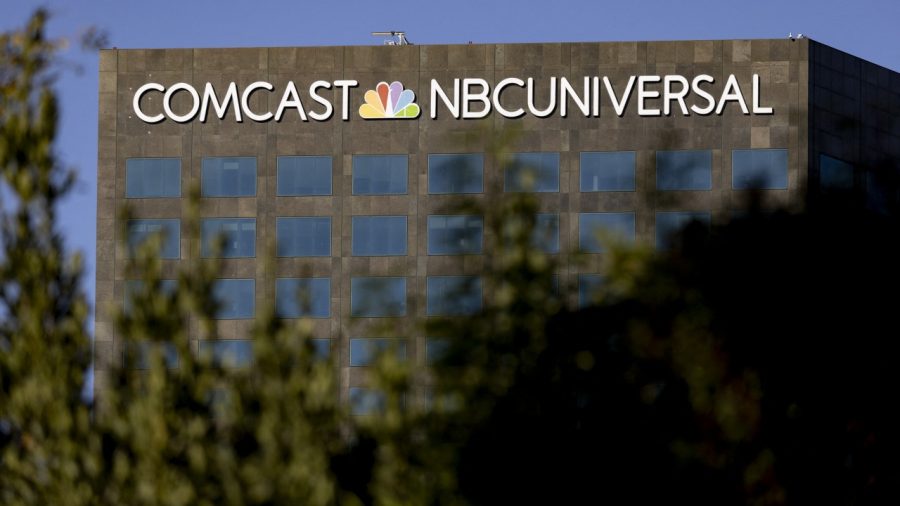
Comcast’s Breakup: A Necessary Step in a Changing Landscape
In the ever-evolving world of media and telecommunications, the case for Comcast’s breakup has become increasingly compelling. As the streaming era redefines how consumers engage with content, the traditional model of bundling media with distribution is losing its luster. However, while the need for separation is clear, rushing into new mergers and acquisitions (M&A) could be a misstep for the company.
The Shift in Consumer Behavior
As streaming services like Netflix, Hulu, and Disney+ continue to dominate the entertainment landscape, the dynamics of media consumption have shifted dramatically. Consumers are now more inclined to seek personalized content over traditional cable packages, leading to a decline in subscriber numbers for cable providers like Comcast.
This change in behavior has sparked a broader conversation about the future of traditional media companies. The bundling strategy that once seemed advantageous is now being questioned, as the streaming revolution offers consumers more choice and flexibility than ever before.
Challenges of a Bundled Model
The bundled model, which once provided a seamless experience by combining media content with distribution channels, faces significant challenges in this new era. With the rise of over-the-top (OTT) platforms, consumers are opting for a la carte viewing options, allowing them to select only the content they want without the frills of traditional cable packages.
This shift has weakened the case for Comcast’s existing strategy, prompting many industry experts to suggest that a breakup may be the best course of action. By separating its media and distribution arms, Comcast could streamline operations, cut costs, and focus on core competencies.
A Cautious Approach to M&A
While the breakup of Comcast may be overdue, the company must proceed cautiously when considering any future mergers and acquisitions. The streaming landscape is littered with examples of failed consolidations that have not only failed to deliver anticipated synergies but have also created significant operational challenges.
For instance, the merger between AT&T and Time Warner aimed to create a media powerhouse, but instead led to a complex integration process that distracted from both companies’ strategic objectives. Similarly, Disney’s acquisition of Fox, while ultimately successful in expanding content offerings, faced its own set of hurdles that demonstrated the risks associated with large-scale mergers.
Potential for Growth Beyond M&A
Instead of pursuing aggressive M&A strategies, Comcast should focus on organic growth and innovation within its existing infrastructure. By investing in technology and enhancing user experience, Comcast can cultivate customer loyalty and regain market share in an increasingly competitive environment.
Additionally, exploring strategic partnerships with emerging streaming platforms or content creators could provide valuable opportunities for collaboration without the complications that come with full mergers. This approach would allow Comcast to remain agile and responsive to market demands while leveraging the strengths of other industry players.
Conclusion
As Comcast navigates its future in a transformed media landscape, the need for a breakup has never been more apparent. However, the company must resist the urge to rush into new marriages through M&A. Instead, a focus on innovation, strategic partnerships, and organic growth will better position Comcast to thrive in the streaming era.