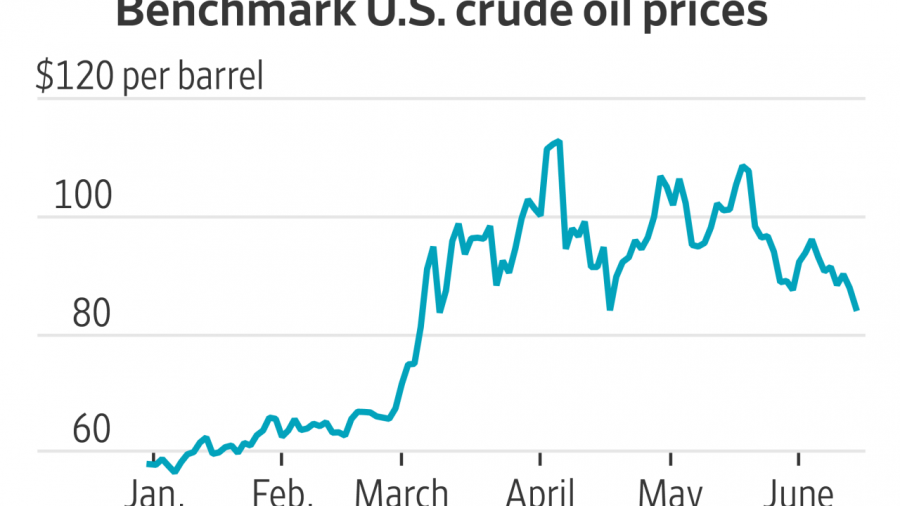
Understanding the Stability of Oil Prices in Turbulent Times
Despite the backdrop of geopolitical tensions and fluctuating demand, oil prices have surprisingly remained stable. A combination of potential diplomatic resolutions, diminishing demand from China, and strategic adaptations to supply challenges, particularly around the Strait of Hormuz, have contributed to this unexpected stability.
The Geopolitical Landscape and its Impact on Oil
The oil market is notoriously sensitive to geopolitical events, and the ongoing conflicts in oil-rich regions often threaten to spike prices dramatically. However, recent reports indicate that there are prospects for a peace deal in some of these areas, which could alleviate fears of supply disruptions. This potential for diplomacy has played a crucial role in maintaining buyer confidence.
Chinese Demand: A Double-Edged Sword
China, one of the largest consumers of oil globally, has seen a decline in its demand recently. Economic challenges and lockdown measures related to COVID-19 have contributed to a slowdown in industrial activity, resulting in less oil consumption. Analysts suggest that this drop in demand has acted as a buffer against potential price surges, providing some much-needed relief to the global oil market.
Strategic Workarounds to Supply Disruptions
The Strait of Hormuz is a vital chokepoint through which a significant percentage of the world’s oil supply is transported. Any closure or threat to this passage typically sends shockwaves through the market, leading to sharp price increases. However, oil producers and traders have been developing alternative routes and strategies to mitigate these risks. By diversifying supply chains and exploring new shipping routes, stakeholders have managed to maintain a more stable flow of oil, thus preventing prices from skyrocketing.
Market Predictions and Future Outlook
Looking ahead, market analysts remain cautiously optimistic. The combination of geopolitical diplomacy, reduced demand from China, and innovative logistical adaptations suggests that while oil prices may fluctuate, they are less likely to experience extreme volatility in the near term. However, the situation remains fluid, and any significant escalation in geopolitical tensions could quickly change the landscape.
Conclusion: A Delicate Balance
The current stability of oil prices is a testament to the complex interplay of international relations, economic conditions, and market adaptations. While the threat of sudden price spikes remains, the factors at play today illustrate a more resilient oil market. As stakeholders navigate these challenges, the hope is that diplomatic efforts will bear fruit, leading to a more secure and stable future for global oil supplies.