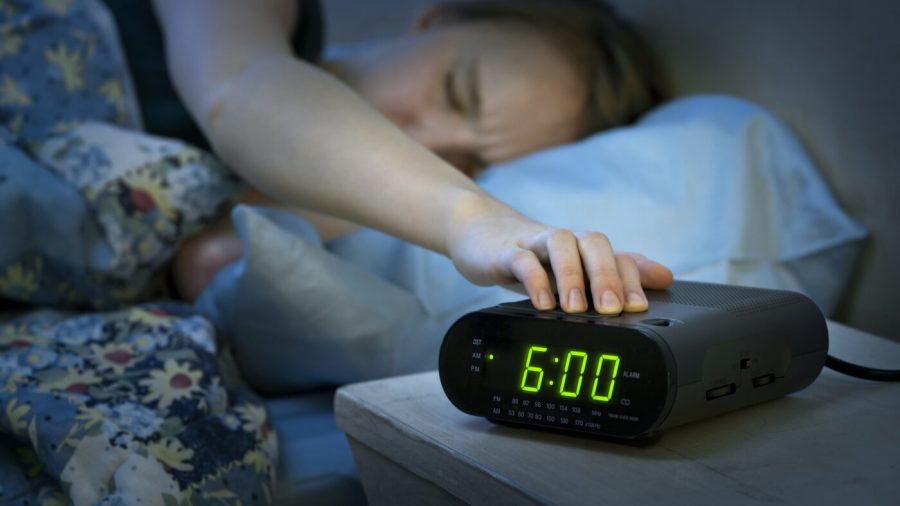
Understanding the Sleep Crisis in America
In today’s fast-paced world, prioritizing sleep often takes a backseat as Americans juggle multiple responsibilities. Alarmingly, nearly a third of the population reports getting less than the recommended seven hours of sleep each night, leading to a widespread sleep crisis that impacts health, productivity, and overall well-being.
The Importance of Sleep
Sleep is not merely a time for rest; it is a vital process that allows the body to recover and the mind to rejuvenate. According to the Centers for Disease Control and Prevention (CDC), insufficient sleep is linked to numerous health problems, including obesity, diabetes, cardiovascular disease, and mental health disorders. Furthermore, lack of sleep can impair cognitive function, leading to decreased productivity and poor decision-making.
What’s Keeping Americans Awake?
Several factors contribute to the national sleep deficit, and understanding them is the first step towards finding solutions. Here are a few key culprits:
- Technology Overload: The allure of smartphones, tablets, and computers can lead to late-night screen time, which disrupts the natural sleep cycle.
- Chronic Stress: Work pressures, financial concerns, and personal responsibilities can create a cycle of stress and anxiety, making it difficult to unwind at the end of the day.
- Poor Sleep Hygiene: Many individuals neglect basic sleep hygiene practices, such as maintaining a consistent sleep schedule and creating a relaxing bedtime routine.
Strategies to Improve Sleep Quality
Fortunately, there are several effective strategies that can help individuals reclaim their sleep:
- Establish a Sleep Schedule: Going to bed and waking up at the same time every day helps regulate the body’s internal clock, making it easier to fall asleep and wake up refreshed.
- Create a Relaxing Bedtime Routine: Engaging in calming activities before bed, such as reading, meditating, or taking a warm bath, can signal to the body that it’s time to wind down.
- Limit Screen Time: Reducing exposure to screens at least an hour before bedtime can decrease blue light exposure and help facilitate a smoother transition to sleep.
- Optimize Your Sleep Environment: Ensure your bedroom is conducive to sleep by keeping it dark, quiet, and cool. Investing in a comfortable mattress and pillows can also make a significant difference.
Seeking Professional Help
For those who continue to struggle with sleep despite implementing these strategies, it may be beneficial to consult a healthcare professional. Sleep disorders, such as insomnia or sleep apnea, may require specialized treatment. A sleep specialist can provide valuable insights and recommend appropriate interventions.
The Path Forward
The growing awareness of the importance of sleep is crucial for improving public health. By prioritizing sleep and adopting healthier habits, Americans can combat the sleep crisis and enhance their quality of life. It’s time to take action—because a well-rested nation is a healthier nation.