Xenophobic Violence in South Africa: A Growing Crisis
In recent weeks, South Africa has witnessed a disturbing surge in xenophobic violence, leaving many foreign nationals vulnerable and homeless. The escalating tensions have culminated in tragic incidents, such as the deaths of two Mozambican nationals in Mossel Bay and the devastation of informal settlements, where homes have been destroyed and lives upended.
Tragic Incidents in Mossel Bay
The violence in Mossel Bay has been particularly severe, with reports indicating that mob attacks have targeted individuals based on their ethnicity. Local residents have linked these assaults to a growing resentment towards foreign nationals, exacerbated by economic pressures and social frustrations. The senseless killings of the two Mozambicans have sparked outrage and fear among communities, prompting a wave of displacement.
Destruction and Displacement
Dozens of homes in the affected informal settlements have been set ablaze, leaving hundreds of individuals without shelter. The aftermath of these attacks has created an environment of chaos and despair, with families forced to flee their homes in search of safety. The scars of this violence run deep, as entire areas lie in ruins, illustrating the urgent need for intervention.
Congolese Nationals Seek Refuge
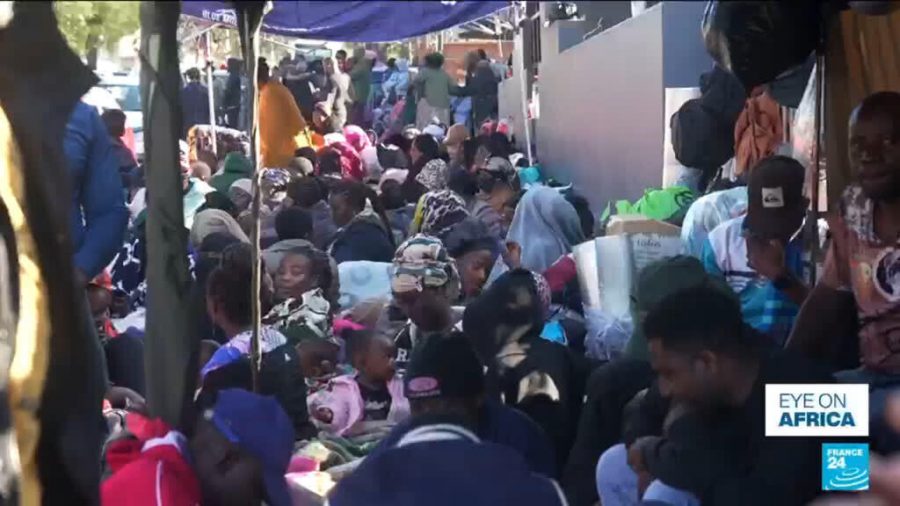
In Durban, the situation mirrors that of Mossel Bay, where dozens of Congolese nationals are currently seeking refuge outside the Department of Home Affairs. Similar protests and attacks have driven these individuals from their homes, forcing them into precarious living conditions. Many are now sleeping outside, exposed to the elements and vulnerable to further violence.
Community Response and Government Action
The recent uptick in xenophobic violence has sparked outrage among human rights organizations and community leaders, who are calling for immediate action from the government to protect vulnerable populations. Local NGOs are mobilizing to provide assistance, but the scale of the crisis poses significant challenges.
- Calls for Protection: Activists urge the government to ensure the safety of all residents, regardless of their nationality.
- Need for Dialogue: Community leaders advocate for open discussions to address underlying tensions and foster understanding.
- Support Services: NGOs are working to provide food, shelter, and medical support to those affected by the violence.
The Broader Impact
The implications of this violence extend beyond immediate physical harm; they also affect the social fabric of South African communities. The rising tide of xenophobia threatens to deepen divisions and exacerbate existing inequalities. As foreign nationals face hostility, many question their safety and future in a country that has long been seen as a refuge.
Conclusion: A Call for Unity
As South Africa grapples with these challenges, it is essential for all citizens to come together in solidarity and support one another. The fight against xenophobia requires a collective effort to foster understanding and compassion among diverse communities. Only through dialogue and unity can South Africa hope to overcome this crisis and build a more inclusive society.