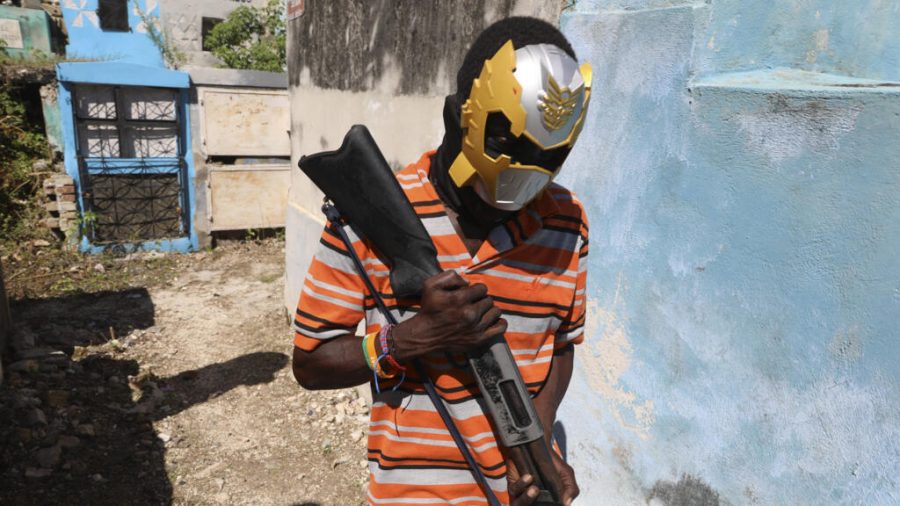
In Haiti, the grip of powerful gangs has tightened its hold on the nation’s most vulnerable: its children. According to recent reports, gang recruitment of minors nearly tripled in 2025, plunging countless young lives into a cycle of violence, exploitation, and despair. Despite the arrival of a new United Nations-backed security force, the future for these children remains perilously uncertain.
The Growing Crisis of Child Recruitment
Over the past several years, Haiti has been plagued by escalating gang violence, which now engulfs large swathes of the nation. Children have become both victims and pawns in this dangerous landscape. These armed groups, seeking to bolster their ranks, have increasingly turned to minors, coercing them into roles ranging from lookouts and couriers to full-fledged combatants.
Human rights organizations warn that this surge in child recruitment has devastating implications, stripping young Haitians of their innocence and future prospects. “These children are robbed of education, security, and the chance to dream beyond survival,” said a representative from a local advocacy group.
A Ray of Hope? The UN Security Force Arrives
In a bid to quell the spiraling violence, the United Nations has deployed a new international security force in Haiti. Comprised of personnel from multiple nations, the force aims to dismantle gang networks, restore order, and create a safer environment for citizens. Early operations have focused on reclaiming gang-controlled areas and securing critical infrastructure.
However, experts caution that the presence of the security force is not a panacea. While it may help stabilize the situation in the short term, addressing the deeper societal issues that fuel gang recruitment—such as poverty, lack of education, and weak governance—will require sustained and comprehensive efforts.
The Uncertain Path to Recovery
For the children already ensnared in this violence, reintegration into society poses significant challenges. Many of these minors have experienced severe trauma, and their return to civilian life is often met with stigma and mistrust from their communities. Moreover, resources for rehabilitation—such as counseling, education, and vocational training—remain scarce.
One local social worker emphasized the importance of targeted interventions: “We need programs designed specifically for these children, combining psychological support with practical skills training. Only then can we break the cycle of violence that has entrapped them.”
Meanwhile, families of recruited children grapple with their own anguish, often torn between fear for their child’s safety and the hope of a brighter future. A mother from Port-au-Prince shared her story: “My son was taken by a gang two years ago. Every day, I pray for his return, but I know he may never escape.”
What Lies Ahead
The international community faces a critical juncture in Haiti. While the deployment of the UN security force marks a significant step, its success will depend on collaboration with local authorities, NGOs, and grassroots organizations to address the root causes of the crisis.
As Haiti stands at this crossroads, the stakes couldn’t be higher. The fate of an entire generation hangs in the balance, and the world will be watching to see whether the combined efforts of local and international actors can offer these children a chance at a brighter, safer future.