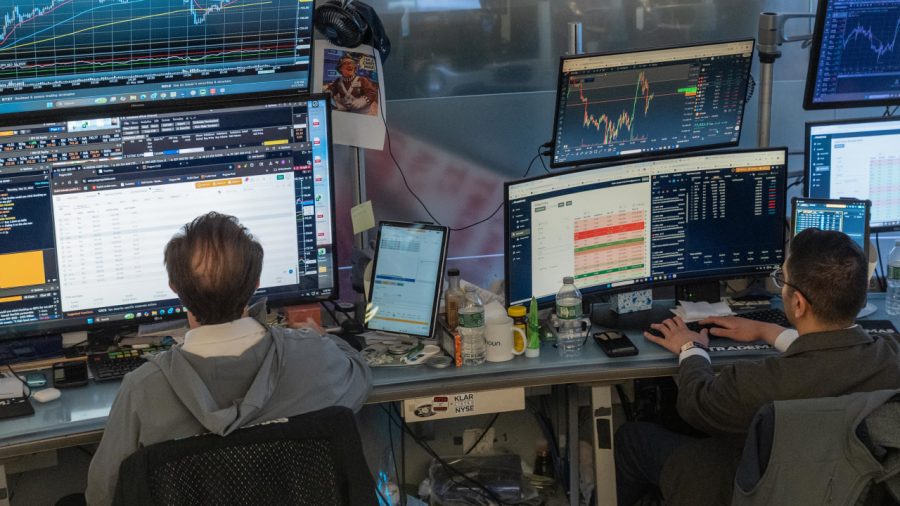
The U.S. stock market is surging, with major indices like the S&P 500 and Nasdaq climbing to near-record highs, evoking memories of the dot-com bubble of 1999. Yet, amid this financial exuberance, a striking paradox looms: Americans are experiencing some of the worst levels of economic pessimism in decades.
The Historic Divide Between Markets and Mood
According to recent consumer sentiment surveys, public confidence in the economy has hit its lowest point in 70 years. While stock investors are celebrating lucrative gains, skyrocketing inflation, rising interest rates, and fears of a possible recession are leaving ordinary Americans feeling financially strained. This stark disconnect raises questions about the sustainability of the market rally and the realities of the broader economy.
Stocks Soar as Economic Worries Mount
Despite widespread gloom, corporate earnings and tech-sector growth have driven stock prices upwards. Key players in industries such as artificial intelligence, cloud computing, and renewable energy have propelled the market, with some companies posting record profits. Meanwhile, the Federal Reserve’s mixed signals on monetary policy have kept Wall Street optimistic, even as Main Street struggles with high costs of living.
Many economists attribute the current market surge to liquidity in the financial system and investor confidence in the resilience of large-cap companies. However, this rosy view stands in stark contrast to the hardships faced by millions of Americans, who are grappling with unaffordable housing, mounting debt, and stagnant wages.
Why Are Americans Feeling So Down?
Multiple factors contribute to the low consumer sentiment. While unemployment remains historically low, wages have not kept pace with inflation, leaving households with reduced purchasing power. The cost of essential goods, from groceries to gas, has soared, eroding disposable income and fueling frustration.
Additionally, lingering concerns about geopolitical tensions, climate change, and public health continue to weigh heavily on the collective psyche. The economic recovery from the pandemic has been uneven, with many workers still struggling to regain financial stability as corporations report record-breaking stock buybacks and dividends.
The Long-Term Implications of the Divide
The growing gap between Wall Street and Main Street could have far-reaching implications. For one, it raises questions about the sustainability of the current market rally. If consumer spending, which constitutes a significant portion of the U.S. economy, continues to weaken, even robust corporate earnings may not be enough to sustain the upward trajectory of stock prices.
Moreover, the disparity could lead to political and social unrest, as more Americans feel left out of the economic recovery. Policymakers face the difficult challenge of addressing these concerns while ensuring that the economy remains competitive on the global stage.
- Key Takeaway: The disparity between Wall Street’s success and Main Street’s struggles highlights the uneven nature of economic recovery.
- Looking Ahead: Investors and policymakers alike will need to address these challenges to ensure long-term economic stability.
As stocks continue their upward march, the question remains: how long can the market thrive while so many Americans feel left behind?