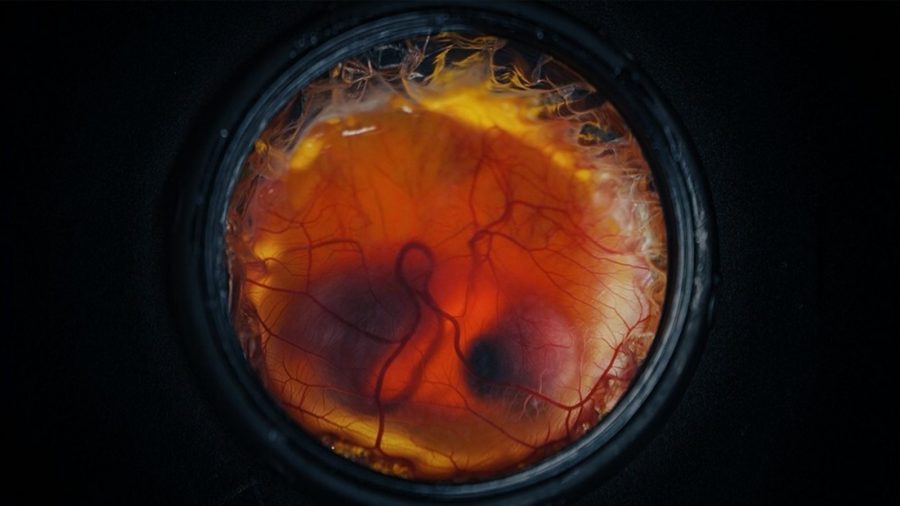
Science continues to push the boundaries of what we know and what is possible. This week, groundbreaking advancements have emerged, from hatching chicks in artificial eggshells to a new mission aimed at unraveling the mysteries of Earth’s magnetosphere. Here’s a closer look at these fascinating developments.
Chicks Hatched in Artificial Eggshells: A Breakthrough in Biotechnology
For the first time, scientists have successfully hatched healthy chicks from artificial eggshells, marking a revolutionary step forward in biotechnology. This innovative approach involves creating a synthetic environment that mimics the natural conditions of an eggshell, using a mix of advanced materials and precise control of factors like temperature and humidity.
The research holds immense promise for the fields of agriculture and conservation. By enabling controlled breeding environments, this technology could assist in preserving endangered bird species, enhancing food security, and reducing dependency on traditional farming methods. Scientists are optimistic that this breakthrough could lead to further innovations in synthetic biology and reproductive technologies.
How Does It Work?
The artificial eggshells are made from a biocompatible material that allows oxygen exchange while protecting the developing embryo. Inside, a nutrient-rich solution replicates the yolk and albumen, providing the necessary sustenance for the embryo’s growth. Researchers meticulously monitored the process, ensuring optimal conditions for the chicks to hatch successfully.
“This is a major leap forward in our understanding of embryonic development,” said Dr. Emily Harper, the lead scientist on the project. “It opens up new possibilities for both scientific research and practical applications.”
New Space Mission to Study Earth’s Magnetosphere
In a separate development, space agencies around the world are gearing up for a new mission to study Earth’s magnetosphere, the magnetic field that shields our planet from harmful solar radiation. This mission aims to provide unprecedented insights into how the magnetosphere interacts with solar winds and cosmic particles.
The magnetosphere plays a crucial role in protecting life on Earth by deflecting charged particles from the sun. However, it is also a dynamic and complex system that can generate geomagnetic storms, which have the potential to disrupt power grids, communication systems, and satellite operations. Understanding its behavior is essential for safeguarding modern infrastructure and predicting space weather.
Mission Objectives and Technology
The mission will deploy a series of advanced satellites equipped with state-of-the-art sensors to monitor the magnetosphere in real time. These satellites will collect data on magnetic fields, plasma waves, and particle flows, which will be analyzed to build a comprehensive model of the magnetosphere’s dynamics.
“This mission will help us better understand the invisible shield that protects our planet,” said Dr. Raj Patel, a senior scientist involved in the project. “The data collected will be invaluable for both scientific research and practical applications like improving satellite resilience to space weather.”
Other Notable Science Stories This Week
- Climate Change Impact: A new study reveals the alarming rate at which glaciers are melting, with significant implications for global sea levels.
- AI in Healthcare: Researchers have developed an artificial intelligence system capable of diagnosing rare diseases with unprecedented accuracy.
- Marine Discoveries: Marine biologists have identified a new species of bioluminescent fish in the depths of the Pacific Ocean.
These stories highlight the incredible strides being made in the scientific community. From uncovering the secrets of Earth’s protective barriers to pushing the limits of biological engineering, the future of science looks brighter than ever.