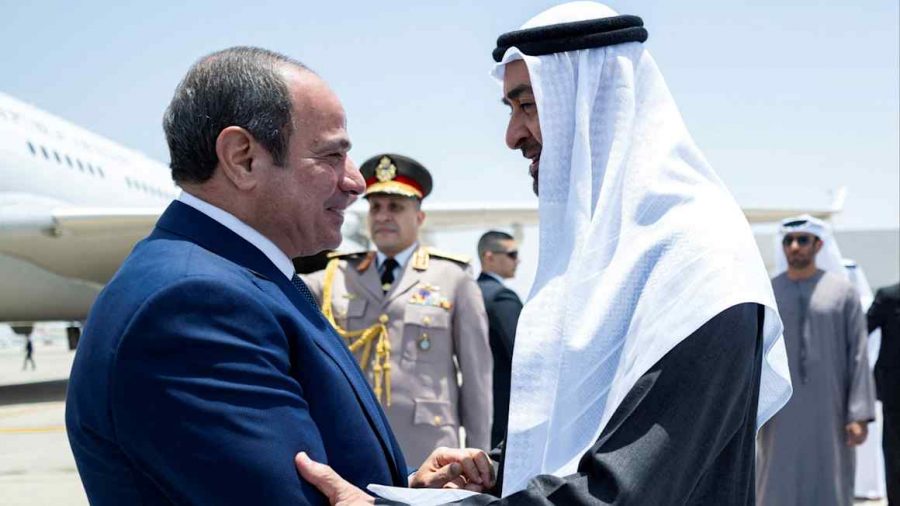
In a bold move reflecting growing regional tensions, Egypt has deployed fighter jets to the United Arab Emirates (UAE) as Arab alliances face increasing strain over Iran’s aggressive posture. This development comes amid mounting frustration in Abu Dhabi over what it perceives as insufficient support from neighboring countries to counter Iranian threats in the Gulf.
Heightened Tensions in the Gulf
The decision to send Egyptian jets to the UAE underscores a deepening divide among Arab nations regarding the appropriate response to Iran’s escalating military maneuvers. In recent months, Tehran has been accused of orchestrating attacks on Gulf oil facilities and shipping lanes, further destabilizing an already volatile region. These incidents have prompted Gulf states to bolster their defenses, often looking to regional allies for support.
However, the UAE has expressed disappointment with the lack of a unified Arab front. Officials in Abu Dhabi have reportedly criticized certain nations for not taking more proactive measures to safeguard shared interests, signaling growing frustration within the Gulf Cooperation Council (GCC).
Egypt’s Strategic Move
Egypt’s decision to deploy jets to the UAE highlights its commitment to regional security and its strategic alliance with Gulf states. The deployment is seen as a show of solidarity with the UAE, which remains a key economic and political partner for Cairo. Analysts suggest that this move not only strengthens bilateral ties but also signals Egypt’s readiness to play a more active role in countering regional threats.
While Egypt traditionally maintains a cautious foreign policy stance, its recent actions reflect an acknowledgment of the shifting geopolitical landscape in the Middle East. By aligning itself more closely with the UAE, Cairo is sending a message of unity and resilience against external threats, particularly from Iran.
Challenges in Arab Unity
Despite Egypt’s support, the broader Arab world remains fragmented in its approach to Iran. The GCC, a bloc of six Gulf nations, has struggled to present a cohesive strategy in the face of Tehran’s growing influence. Internal divisions, competing national interests, and varying levels of economic dependency on Iran have all contributed to this discord.
For the UAE, the lack of a unified response has been a source of frustration. In a recent statement, an Emirati official criticized unnamed regional players for their perceived inaction, urging them to take a more active role in defending against Iranian threats. The official’s comments reflect a broader sentiment within the UAE that regional solidarity is crucial to ensuring long-term stability in the Gulf.
The Broader Implications
The deployment of Egyptian jets to the UAE has significant implications for the region’s security dynamics. It signals a potential shift towards closer military cooperation among certain Arab nations, even as others remain hesitant to engage directly with Iran. This move also underscores the importance of bilateral partnerships in addressing shared security challenges.
For Iran, the growing military collaboration between Egypt and the UAE may be viewed as a provocation, potentially escalating an already volatile situation. Experts warn that any misstep could further inflame tensions, underscoring the urgent need for diplomatic efforts to de-escalate the situation.
As the Middle East continues to grapple with the complexities of regional politics, Egypt’s actions serve as a reminder of the importance of unity in the face of shared threats. Whether this deployment will lead to a more cohesive Arab response to Iran remains to be seen, but it undoubtedly marks a significant development in the ever-evolving dynamics of the Gulf region.