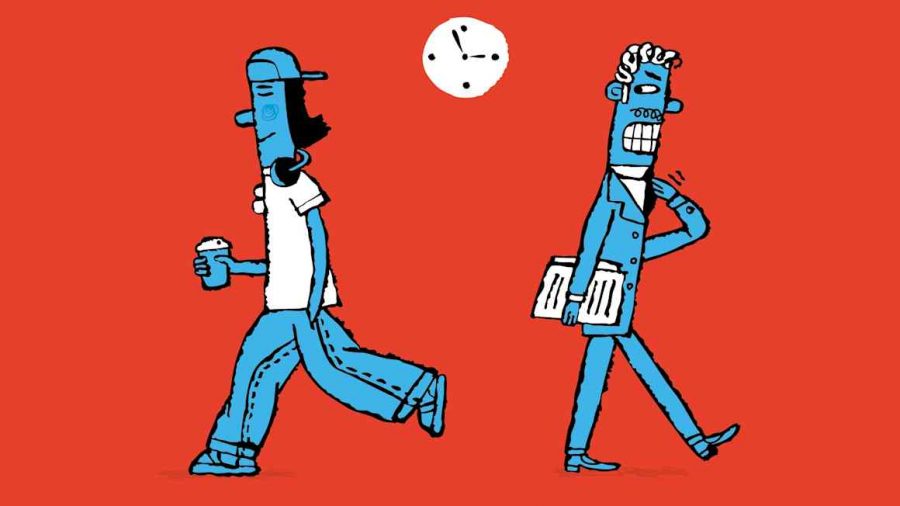
The workplace has long been one of the few remaining environments where people of different generations come together to collaborate, solve problems, and build relationships. Yet, the persistent use of generational labels like “Gen Z,” “Millennials,” and “Boomers” is creating unnecessary divides, undermining what should be an inclusive space for people of all ages to thrive.
The Problem with Generational Stereotypes
Generational categories were initially devised by sociologists to study societal trends, not to pigeonhole individuals. However, these labels have been co-opted by marketing strategies and workplace discussions, often reducing complex, unique individuals into a set of clichés. For example, Gen Z workers are frequently described as tech-obsessed and entitled, while older generations are often unfairly labeled as resistant to change.
These stereotypes not only fail to capture the diversity within each generation but also exacerbate misunderstandings and tensions. Instead of fostering mutual respect and learning, such labels can create unnecessary barriers and assumptions that hinder collaboration.
The Workplace as a Generational Bridge
One of the unique aspects of the workplace is its ability to bring together people from a wide range of age groups, offering a rare opportunity for intergenerational learning. Younger employees bring fresh perspectives and digital fluency, while seasoned workers contribute institutional knowledge and experience. This dynamic can lead to innovation and progress—if the focus remains on individuality and shared goals.
However, when conversations in the office are dominated by generational stereotypes, it diminishes this potential. Instead of seeing colleagues as individuals with unique strengths and weaknesses, people begin to view them through the lens of overgeneralized traits attributed to their age group.
Moving Beyond Labels
To foster a more inclusive and productive workplace, it’s time to retire the overuse of generational labels. Here are some steps organizations can take:
- Focus on individuals: Treat each employee as a unique person with distinct skills and contributions, rather than as a representative of their generation.
- Encourage cross-generational mentoring: Pair younger and more experienced employees to facilitate knowledge sharing and mutual growth.
- Promote open dialogue: Create spaces where employees can discuss differences in experiences and perspectives without resorting to stereotypes.
- Provide tailored training: Invest in professional development that addresses individual needs rather than assuming generational gaps in skills or knowledge.
By taking these steps, organizations can create an environment where employees of all ages feel valued and understood, ultimately driving better collaboration and innovation.
Conclusion
In an era where the workplace is one of the few places where generations converge, it is crucial to shift away from divisive generational labels. By focusing on individual strengths and fostering meaningful interactions, we can build a workplace culture that bridges generational divides and unlocks the potential for collective success.