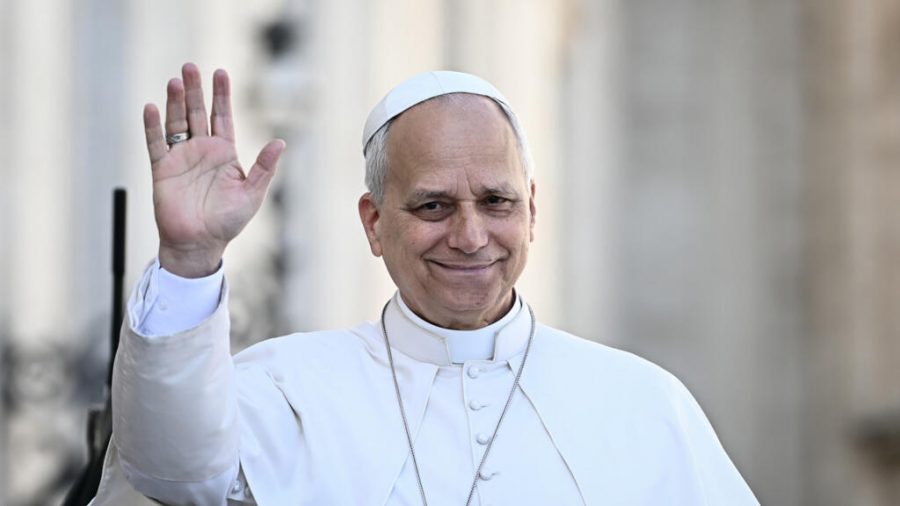
Pope Leo XIV is poised to make history on Monday with the release of his much-anticipated encyclical, Magnifica Humanitas, addressing the ethical challenges and societal implications of artificial intelligence. The US-born leader of the Catholic Church will personally present the document at the Vatican, joined by senior Church officials and prominent AI experts, including Dario Amodei, co-founder of the AI research company Anthropic. This marks the first comprehensive statement by the Vatican on the rapidly evolving technology that is reshaping human society.
AI and the Moral Compass
With artificial intelligence increasingly influencing every aspect of modern life—from healthcare and education to employment and international relations—the Pope’s manifesto aims to establish a moral framework for its development and use. It calls on governments, corporations, and individuals to prioritize human dignity, social equity, and ecological sustainability in their adoption of AI technologies.
“The Church cannot remain silent in the face of technologies that have the power to redefine what it means to be human,” Pope Leo XIV is expected to say during the unveiling. The encyclical reflects a deep engagement with the ethical dilemmas posed by AI, including issues such as algorithmic bias, data privacy, and the potential for automation to disrupt labor markets.
A Dialogue Between Technology and Theology
The Vatican’s inclusion of AI experts like Dario Amodei underscores its commitment to fostering a dialogue between the worlds of technology and theology. Amodei, whose company focuses on creating AI systems that align with human values, will share insights into the practical and philosophical challenges of ensuring that AI serves the common good.
“This is a crucial moment for humanity,” Amodei said in a statement ahead of the event. “Pope Leo XIV’s leadership brings a necessary moral perspective to a field that often moves faster than society can comprehend.”
- Algorithmic Responsibility: The manifesto emphasizes the need for transparency and accountability in AI systems to prevent misuse and harm.
- Global Cooperation: It calls for international collaboration to establish ethical standards and regulatory frameworks for AI.
- Human Dignity: The Church stresses that AI must serve humanity, not replace or undermine it.
A Call to Action
The release of Magnifica Humanitas is expected to resonate far beyond the Catholic community, offering a moral compass for technologists, policymakers, and global citizens grappling with the promises and perils of artificial intelligence. By addressing both the opportunities and risks, the Pope hopes to inspire a balanced approach to innovation that safeguards the well-being of future generations.
The event will be broadcast live from the Vatican, and the full text of the encyclical will be made available online. As the world watches, Pope Leo XIV’s message is likely to spark widespread discussion, urging humanity to reflect on the ethical foundations needed to navigate the frontier of AI.