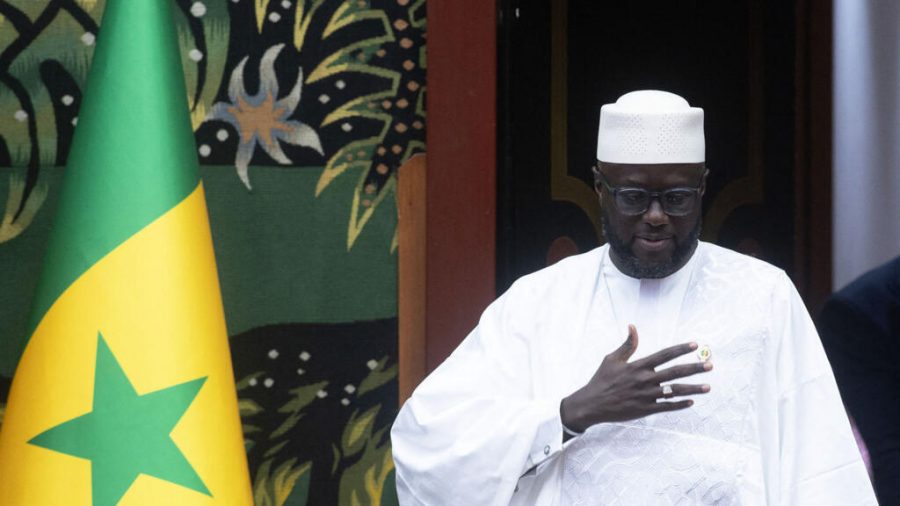
Senegal’s political landscape has taken a dramatic turn as parliamentary speaker El Malick Ndiaye announced his resignation on Sunday, intensifying the ongoing political crisis in the West African nation. Ndiaye’s decision to step down paves the way for his close ally, Ousmane Sonko, to vie for the position of head of parliament just days after being controversially dismissed by President Macky Sall.
Resignation Sparks Political Realignment
The resignation comes at a time of heightened political tension, with Sonko’s Pastef party holding a commanding majority in Senegal’s legislature. Ndiaye, a prominent figure in the ruling coalition, stated that his decision was made to “ensure the stability and unity of the party,” a move widely seen as an effort to consolidate power around Sonko, a divisive but influential political leader.
Ousmane Sonko’s Path to Leadership
Sonko, a firebrand opposition figure and leader of the Pastef party, has been at the center of Senegal’s political discourse in recent months. His dismissal by President Sall last week was met with widespread protests, with supporters accusing the government of attempting to stifle dissent. Ndiaye’s resignation could mark a significant turning point, potentially positioning Sonko to assume a leadership role that could reshape Senegal’s political trajectory.
According to insiders, the Pastef party is already rallying behind Sonko’s candidacy for the parliamentary speaker position. With a strong legislative majority, his path to the role appears clear, but the broader implications for Senegal’s democracy remain uncertain.
Implications for Senegal’s Political Future
The developments underscore the deepening political rift in Senegal, a country often hailed as a bastion of stability in West Africa. Analysts warn that the current crisis could undermine confidence in Senegal’s democratic institutions, particularly if tensions between the executive and legislative branches continue to escalate.
In addition to the domestic implications, the political turmoil has drawn international concern. The African Union and other organizations have called for dialogue and restraint from all parties to prevent further destabilization.
What’s Next for Senegal?
As Ndiaye steps aside and Sonko positions himself for a potential parliamentary leadership role, all eyes are on the upcoming legislative session. Whether this shift in power will bring clarity or further chaos to Senegal’s political scene remains to be seen.
For now, the country stands at a crossroads, with its leaders facing mounting pressure to navigate the crisis responsibly and uphold the democratic principles that have long been a cornerstone of Senegalese governance.