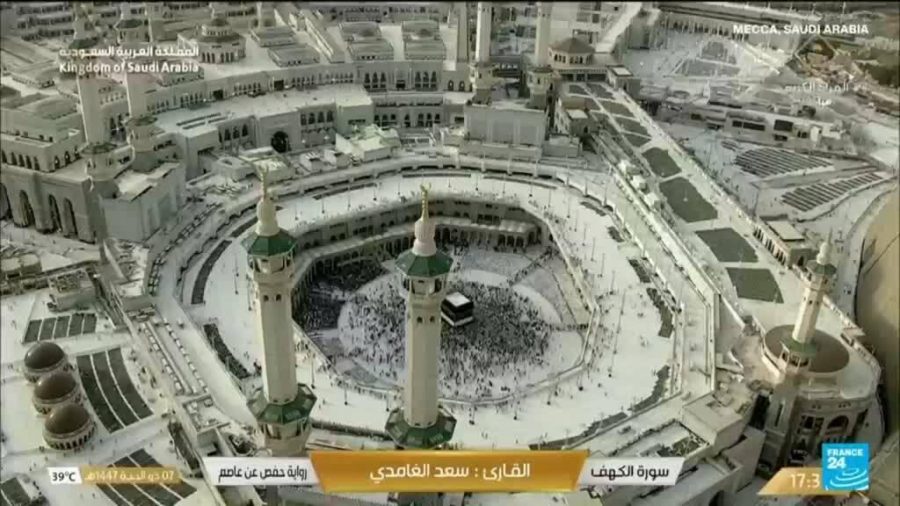
Millions of Muslims from across the globe are converging on Mecca, Saudi Arabia, for the annual Hajj pilgrimage, undeterred by security concerns stemming from ongoing conflicts in the Middle East. Saudi authorities have reported that over 1.5 million pilgrims have already arrived, with thousands more expected to join in the spiritual journey over the coming days.
A Global Congregation in Mecca
The Hajj pilgrimage is one of the five pillars of Islam, a sacred duty that every able-bodied Muslim must undertake at least once in their lifetime if they have the financial means to do so. This year, despite geopolitical tensions and safety apprehensions, the faithful have shown a remarkable commitment to fulfilling this religious obligation. For many, the journey signifies a lifetime of spiritual preparation and sacrifice.
Unwavering Faith Amid Security Risks
In recent months, security concerns have heightened due to conflicts across the Middle East. However, Saudi Arabia has emphasized its commitment to ensuring the safety of pilgrims, deploying tens of thousands of security personnel and implementing advanced surveillance systems across holy sites. Many pilgrims have expressed confidence in these measures, while others say their faith outweighs any fears.
“This journey is a once-in-a-lifetime opportunity,” said Ahmed Ali, a pilgrim from Indonesia. “I believe in God’s protection, and I’m here to fulfill my duty as a Muslim.” Similar sentiments were echoed by others, who described the pilgrimage as a deeply personal act of devotion that transcends worldly concerns.
Preparations and Logistics
The Saudi government has undertaken extensive preparations to accommodate the influx of pilgrims. Temporary shelters, medical facilities, and transportation systems have been enhanced to ensure a smooth experience for attendees. Authorities are also leveraging technology, including apps and real-time monitoring systems, to manage the flow of people and prevent overcrowding at key sites like the Grand Mosque in Mecca and Mount Arafat.
- Health Protocols: Given the lingering impact of the global pandemic, health precautions remain a priority. Vaccination requirements are strictly enforced, and medical teams are on standby to address any emergencies.
- Infrastructure: New infrastructure projects, including expanded transportation hubs and additional accommodations, have been completed to support the growing number of pilgrims.
- Security Measures: Advanced surveillance systems, drone monitoring, and a heightened police presence aim to ensure the safety of all attendees.
The Spiritual Significance
For the millions who embark on this pilgrimage, Hajj is more than just a physical journey; it is a transformative spiritual experience. Pilgrims will participate in a series of rituals, including the Tawaf, where they circle the Kaaba, and the symbolic stoning of the devil at Mina. These acts are designed to foster humility, unity, and a sense of renewal.
“It’s a feeling that’s hard to describe,” shared Fatima Hassan, a first-time pilgrim from Nigeria. “To stand shoulder to shoulder with people from every corner of the world and feel this unity—it’s truly humbling.”
Faith Over Fear
Despite the challenges, the resolve of the pilgrims underscores the enduring power of faith. Their journey to Mecca is a testament to their dedication and serves as a poignant reminder of the unifying force of spirituality in a fragmented world. As the Hajj continues, the focus remains on ensuring a safe and meaningful experience for all participants, a mission that Saudi authorities and pilgrims alike are striving to fulfill.