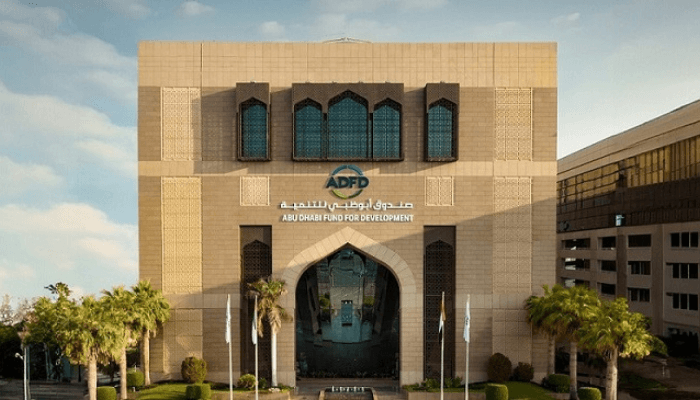
The United Arab Emirates (UAE) is intensifying its strategic investments in African infrastructure as Gulf states vie for greater trade influence and secure resilient logistics corridors. The Abu Dhabi Fund for Development (ADFD) has taken a more hands-on approach to monitoring major projects across the continent, reflecting a broader push to strengthen economic ties and bolster geopolitical positioning in a rapidly shifting global landscape.
Strategic Competition in Africa
The heightened focus on infrastructure comes as African economies, including South Africa, grapple with growing concerns over supply chain vulnerabilities. Factors such as conflict in the Strait of Hormuz, an uptick in global protectionism, and an escalating rivalry between global powers for control over key shipping lanes and transport routes have amplified the urgency of these investments.
ADFD has reported steady progress on three flagship road projects in Togo, Madagascar, and Nigeria, with completion rates ranging from 45% to 92%. These projects are part of the UAE’s overarching “infrastructure diplomacy” strategy, which aims to deepen economic partnerships, enhance trade access, and build resilient transport and energy systems across Africa.
Implications for South Africa
For South Africa, which is heavily reliant on maritime trade and regional transport networks, the UAE’s investment push carries significant implications. As other African nations bolster their infrastructure, South Africa risks losing its competitive edge in intra-African trade and logistics. This is particularly critical in the context of the African Continental Free Trade Area (AfCFTA), which seeks to unify and streamline trade across the continent.
South African policymakers and business leaders have long identified poor infrastructure and inefficiencies at the country’s ports as major obstacles to economic growth and regional trade competitiveness. Recent studies, including the World Bank’s Container Port Performance Index, have consistently ranked South African ports such as Durban, Cape Town, and Ngqura at the lower end of global performance metrics. Delays and inefficiencies, particularly in sectors like mining and agriculture, have further exacerbated the situation.
UAE’s Vision and Strategic Goals
The UAE’s development initiatives in Africa are part of a broader vision to create sustainable economic opportunities while fostering political alliances. His Excellency Mohammed Saif Al Suwaidi, Director-General of ADFD, emphasized the fund’s commitment to supporting partner countries in their development journey. “Our efforts reflect the fund’s mission to support partner countries in developing their infrastructure and stimulating economic growth, reinforcing ADFD’s role as an extension of the UAE’s vision in creating sustainable development impact that benefits communities and enhances quality of life,” he said.
These projects align with the UAE’s broader goals of enhancing living standards, promoting economic growth, and creating sustainable development in its partner nations. The UAE’s strategy also represents a diversification of global trade partnerships, as Gulf countries increasingly look beyond traditional Western and Chinese trade routes to establish a stronger foothold in Africa.
Shifting Dynamics in African Logistics
While the UAE and other Gulf states ramp up their investments, South Africa is seeking to reverse its declining port performance through private sector collaboration and increased capital investment. Early signs of improvement have emerged, but analysts warn that the country must act swiftly to retain its position as a key trade hub on the continent.
Meanwhile, neighboring African nations are leveraging Gulf-backed investments to develop modern infrastructure projects that could compete with South Africa’s historical dominance in regional trade. From new road networks to state-of-the-art ports, these projects are reshaping Africa’s logistics landscape, creating both opportunities and challenges for the continent’s economic future.
The Road Ahead
As global powers continue to vie for influence in Africa, the UAE’s infrastructure diplomacy underscores the region’s growing strategic importance. With trade dynamics shifting and the AfCFTA presenting new possibilities for integration, the race to develop Africa’s infrastructure is poised to reshape the continent’s economic trajectory. For countries like South Africa, adapting to this changing landscape will be critical to maintaining their role as regional trade leaders.