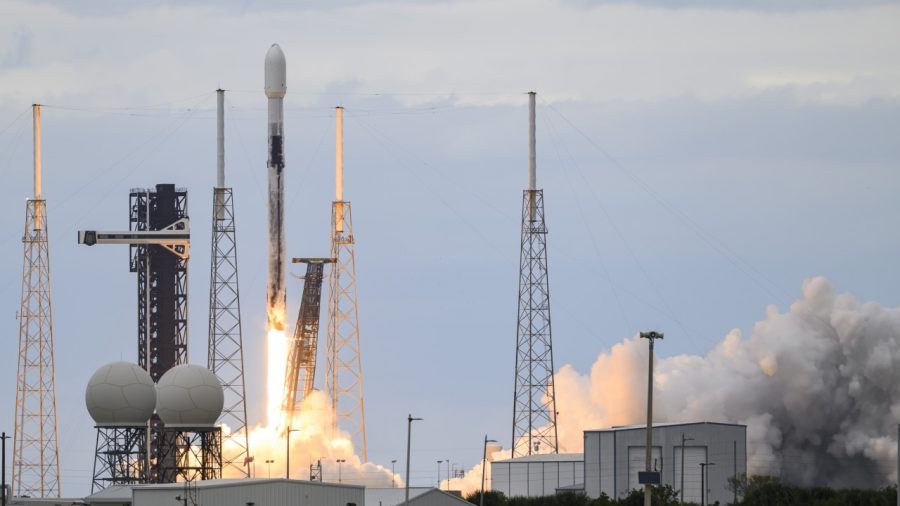
In recent years, SpaceX has transformed from a private aerospace company into a formidable player within America’s defense framework. The company’s rapid technological advancements and strategic partnerships with the Pentagon have led to lucrative contracts, positioning it as a key contributor to national security.
The Rise of SpaceX in the Defense Sector
Founded in 2002 by Elon Musk, SpaceX initially set out to revolutionize space travel and reduce the costs associated with launching payloads into orbit. However, as the company matured, it began to capture the attention of military officials seeking innovative solutions for modern warfare.
Strategic Partnerships with the Pentagon
One of the turning points in SpaceX’s journey into the defense sector was its decision to foster relationships with various branches of the military. By engaging with the Pentagon early on, SpaceX demonstrated its commitment to rapid deployment of technology and its ability to meet urgent defense needs.
- Rapid Deployment: SpaceX has consistently proven its ability to launch satellites and other payloads on short notice, a crucial requirement for military operations.
- Innovation: The company’s advancements in rocket technology have made it a leader in cost-effective space solutions.
- Reliability: With a track record of successful launches, SpaceX has gained the trust of military officials who are often risk-averse when it comes to national security.
Valuable Contracts and Financial Success
As a result of its strategic partnerships and demonstrated capabilities, SpaceX has secured contracts worth billions of dollars from the U.S. government. The company has been awarded contracts for everything from satellite launches to developing systems that enhance national security.
Key Contracts with the U.S. Military
SpaceX has signed several significant contracts with the U.S. military in recent years, further embedding itself within the defense infrastructure. Some of these contracts include:
- National Security Space Launch (NSSL): A program aimed at launching military satellites into orbit.
- GPS III Satellites: SpaceX was selected to launch advanced GPS satellites, which enhance precision in military operations.
- Starlink for Defense: The development of a satellite internet constellation that could provide secure communication lines for military operations.
Future Prospects and Challenges
Looking ahead, SpaceX aims to continue expanding its role within the defense sector. The company is currently exploring new technologies that could further enhance its capabilities, including advancements in satellite technology and next-generation launch systems.
However, challenges remain. The competitive landscape for defense contracts is fierce, with other aerospace giants such as Boeing and Lockheed Martin also vying for government contracts. Additionally, regulatory hurdles and political considerations could impact SpaceX’s future endeavors.
The Broader Implications
SpaceX’s integration into America’s defense strategy reflects a broader trend of privatization within the military-industrial complex. As private companies increasingly take on roles traditionally held by government entities, the implications for national security, accountability, and innovation are profound.
In conclusion, SpaceX’s evolution from a commercial space venture to a key player in America’s defense strategy illustrates the company’s agility and the growing importance of technological innovation in warfare. As it continues to secure lucrative contracts and develop cutting-edge technologies, SpaceX is not just contributing to space exploration but is also reshaping the landscape of national security.