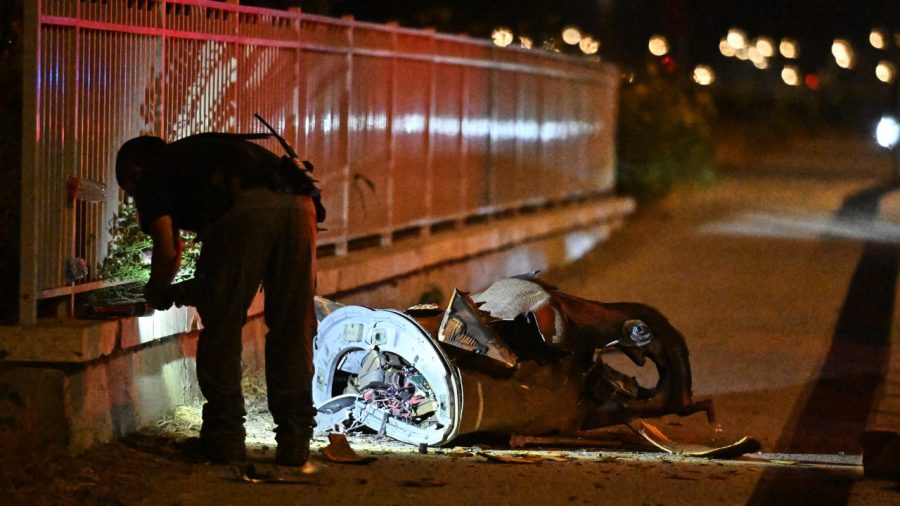
Israel Responds to Iranian Missile Attack, Heightening Tensions in the Middle East
The fragile balance of peace in the Middle East has been further strained following recent military exchanges between Israel and Iran. Prime Minister Benjamin Netanyahu has ordered a counterassault against Iranian targets, escalating fears of a broader conflict despite urgent calls from global leaders, including U.S. President Donald Trump, to de-escalate the situation.
Background of the Conflict
The roots of the current tensions can be traced back to longstanding hostilities between Israel and Iran, which have been exacerbated by recent missile attacks. Iran’s missile strike on Israeli positions marked a significant escalation in the ongoing proxy battles that have characterized the region for years. In response, Netanyahu’s government has vowed to retaliate, underscoring Israel’s commitment to national security.
The Counterassault
On the evening of the attack, Netanyahu convened senior defense officials to strategize an immediate response. The Israeli Defense Forces (IDF) launched a series of airstrikes targeting what they described as key Iranian military installations in Syria. The strikes were aimed at crippling Iran’s ability to launch further attacks while sending a clear message that Israel will not tolerate aggression.
“We will not allow Iran to establish a military foothold in Syria,” Netanyahu stated in a televised address. “Our response will be swift and decisive.” This rhetoric signals Israel’s readiness to engage militarily if necessary, raising the stakes in an already volatile region.
International Reactions
The missile exchange has drawn international concern, particularly from the United States. President Trump expressed his desire for both nations to avoid further escalation, emphasizing the importance of dialogue over military confrontation. However, Netanyahu’s actions suggest a belief that military deterrence is the most effective response to Iranian aggressiveness.
- The United Nations has called for an emergency meeting to address the escalating conflict.
- European leaders are urging both parties to exercise restraint and seek diplomatic solutions.
- Iranian officials have condemned Israel’s retaliatory strikes, promising to respond in kind.
The Human Impact
As military actions intensify, civilian populations on both sides are increasingly caught in the crossfire. Reports indicate rising casualties among civilians in border areas, with many seeking refuge from the violence. Humanitarian organizations are on high alert, preparing to assist those affected by the conflict.
The humanitarian situation is dire, with many families displaced and basic services disrupted. “The cycle of violence must end for the sake of our people,” said a spokesperson for a leading humanitarian group. The ongoing conflict not only threatens regional stability but also poses significant humanitarian challenges.
Potential Consequences
The potential for a wider conflict looms large as both nations engage in military posturing. Analysts warn that if the situation continues to escalate, it could draw in other regional powers, further complicating an already intricate geopolitical landscape.
In the coming days, the international community will be watching closely to see if diplomatic efforts can prevail over military actions. The hope remains that through negotiation and dialogue, a peaceful resolution can be found, preventing further loss of life and ensuring stability in the region.
Conclusion
The recent missile attack from Iran and Israel’s decisive counterstrike illustrate the precarious nature of peace in the Middle East. As tensions mount, the world awaits a response from both nations, hoping for restraint and a return to diplomatic channels. The stakes are high, with the potential for conflict affecting not just Israel and Iran but the entire region.