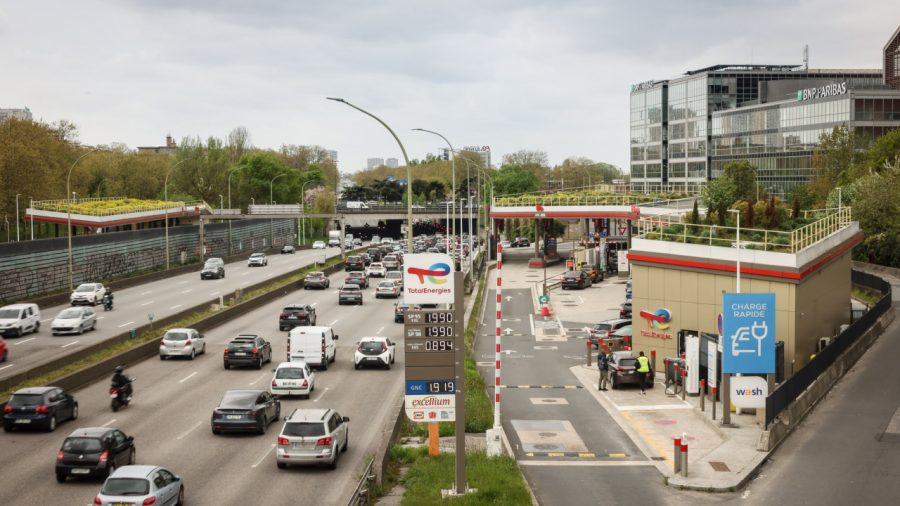
TotalEnergies Caps Fuel Prices in France Amid Rising Profits
In a strategic move aimed at stabilizing fuel costs for consumers, TotalEnergies has announced a price cap on gasoline and diesel at its stations throughout France. This decision comes as the oil giant faces mounting scrutiny over its soaring profits and increasing calls for a windfall tax amid a cost-of-living crisis impacting many households.
Background on the Price Cap
As global oil prices surged over the past year, TotalEnergies reported record profits, drawing criticism from various sectors, including environmental advocates and consumer rights groups. In an effort to alleviate public dissatisfaction and stave off potential protests, the company implemented price caps on fuel to ensure that motorists could continue to afford essential transportation costs.
Impact on French Consumers
The price cap has been met with mixed reactions from the public. For many French citizens, the move represents a temporary relief in an otherwise volatile economic climate. With inflation rising and energy prices spiraling, the cap has helped avert widespread unrest that often accompanies significant hikes in fuel costs.
- Affordable Transportation: With the cap in place, consumers are likely to feel less financial strain at the pumps.
- Potential for Protests Averted: The decision has thus far quelled public demonstrations that could have arisen from discontent over rising fuel prices.
- Corporate Responsibility: TotalEnergies is under pressure to demonstrate corporate responsibility amid growing concerns about climate change and environmental degradation.
Political Reactions and Future Implications
The French government has welcomed TotalEnergies’ decision but remains vigilant as calls for a windfall tax on large corporations intensify. Politicians on both sides of the aisle have urged for a reassessment of the taxation framework to ensure that companies benefiting from high commodity prices contribute fairly to the economy.
“It is crucial that we address the issue of fairness in our tax system, especially when companies are reporting record profits while ordinary citizens struggle to make ends meet,” stated a government spokesperson. The call for a windfall tax has gained traction, with many advocating that such measures could help fund social programs and support vulnerable populations.
Looking Ahead: Will the Price Cap Last?
While the price cap has provided immediate relief, questions remain about its sustainability in the face of fluctuating global oil prices. Analysts suggest that if oil prices continue to rise, TotalEnergies may face challenges in maintaining the cap without compromising its profit margins.
Moreover, the company’s commitment to capping prices may hinge on political support and continued public pressure. As citizens keep a close eye on both fuel costs and corporate profits, the dialogue surrounding energy pricing and corporate responsibility will likely intensify.
In conclusion, TotalEnergies’ decision to cap prices at the pump is a temporary measure designed to placate consumers and mitigate potential unrest. However, with rising profits making it a target for taxation, the company must navigate a complex landscape of public expectations, political demands, and market realities as it moves forward in a challenging economic environment.