Afghanistan’s Child Marriage Crisis: A Dire Future for Girls
As Afghanistan grapples with an alarming rise in child marriages, fears mount that as many as 70 percent of girls may soon find themselves in early or forced unions. Recent legal changes have only exacerbated the situation, placing women in an increasingly vulnerable position.
The Stark Reality of Child Marriage
Child marriage is not just a troubling statistic in Afghanistan; it is a harsh reality for countless young girls. With the country’s ongoing political instability and socio-economic challenges, families are increasingly resorting to marrying off their daughters at a young age, often as a means of financial relief or social security. In many cases, these marriages are not consensual, subjecting girls to lives of servitude and diminished agency.
A New Law that Threatens Women’s Rights
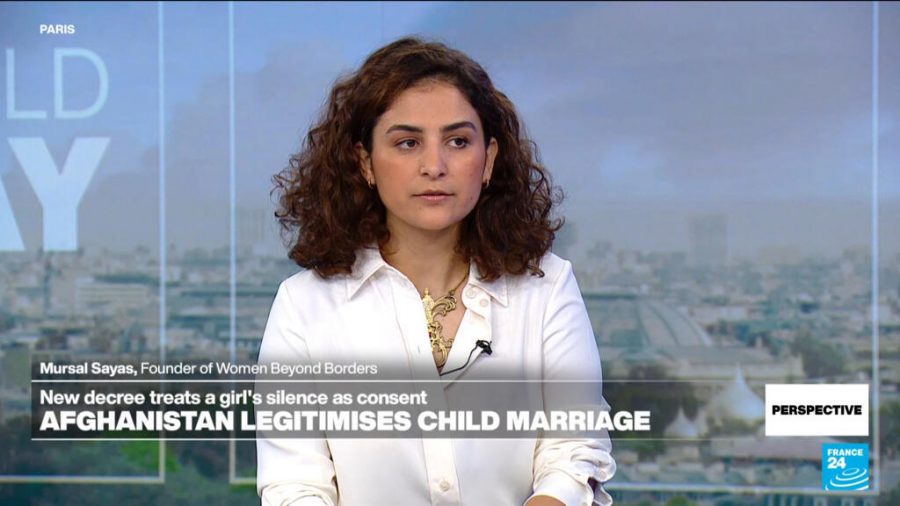
Compounding the crisis, a newly enacted law has made it nearly impossible for women to initiate divorce if their husbands oppose it. Activists and legal experts warn that this legislation will further entrench gender inequality, rendering women legally subordinate to men. Mursal Sayas, a prominent writer and journalist, who is also the founder of the NGO Women Beyond Borders, has been vocal about the implications of this law.
Activism and Advocacy
Sayas highlights the urgency of the situation, stating, “This law is a catastrophic step backwards for women’s rights in Afghanistan. It not only limits the freedom of women but also normalizes their subjugation.” She emphasizes that the new regulations will likely drive the rates of child marriage even higher, as families may feel pressured to marry off their daughters without the fear of future legal recourse.
The Psychological Impact on Girls
The psychological toll of child marriage is profound. Many girls who are forced into early marriages experience a loss of identity, education, and hope. Sayas notes, “The impact on mental health is devastating. These girls often face isolation, abuse, and a sense of hopelessness, which can last a lifetime.” The societal stigma surrounding divorce and the lack of support for women further complicate their situations, leaving them trapped in marriages that are detrimental to their well-being.
International Response and Support
The international community has begun to take notice of the child marriage epidemic in Afghanistan, with various NGOs and human rights organizations advocating for policy changes. However, the effectiveness of these efforts remains questionable, given the current political climate. Sayas calls for a united front from global leaders to pressure the Afghan government to prioritize the rights of women and girls. “We need more than just words; we need action,” she asserts.
A Call to Action
The alarming projections of child marriage rates in Afghanistan signify a looming crisis that requires immediate attention. As activists like Mursal Sayas continue to raise awareness, it is crucial for the international community to support initiatives aimed at empowering women and girls. Education, economic opportunities, and legal reforms are essential to combatting these deeply entrenched cultural practices.
Conclusion
The future of Afghanistan’s young girls hangs in the balance as child marriage rates soar and legal protections erode. The combined efforts of local activists and international allies can help change the narrative, offering hope for a generation of girls who deserve a chance to thrive, free from the shackles of forced marriage.