Rising Storms: How Climate Change Makes Extreme Weather More Frequent
The weather has long been a topic of casual conversation, but recent events have transformed it into a matter of urgent concern. In the first five months of this year, South Africa has experienced a series of devastating storms, floods, and extreme heat, compelling the government to issue three weather-related national disaster notices and multiple severe heat warnings.
The Link Between Climate Change and Extreme Weather
Researchers are increasingly converging on the view that global warming, primarily driven by the release of greenhouse gases from burning fossil fuels like coal and oil, is fundamentally altering weather patterns. This has led to a notable uptick in the frequency and intensity of severe weather events, including intense downpours and heavy storms.
President Cyril Ramaphosa addressed these concerns following a particularly violent weather episode in early May, where heavy rains in the Western, Eastern, and Northern Cape resulted in at least ten fatalities, displacing thousands and causing extensive damage to infrastructure. “We are vulnerable to events which we may be able to forecast but whose actual intensity in specific locations we may not be able to predict,” he stated, highlighting the unpredictability that climate experts warn could worsen as weather patterns continue to shift.
Understanding the Science Behind Weather Patterns
But can every instance of extreme weather be directly attributed to climate change? To find answers, scientists analyze the probability of similar weather events occurring under historical climate conditions. For example, a recent study indicated that the intense rainfall leading to catastrophic floods in Limpopo, Mpumalanga, and Mozambique would have been a rare occurrence, expected only once every fifty years. However, the likelihood of such an event has increased due to the 1.3°C rise in global temperatures.
Moreover, data suggests that rainfall during these extreme weather events has become approximately 40% more intense. Such findings underscore the importance of having historical or baseline data to compare against current weather events, enabling scientists to better predict future changes and assist policymakers in planning for potential fallout from extreme weather.
The Climate Diversity of South Africa
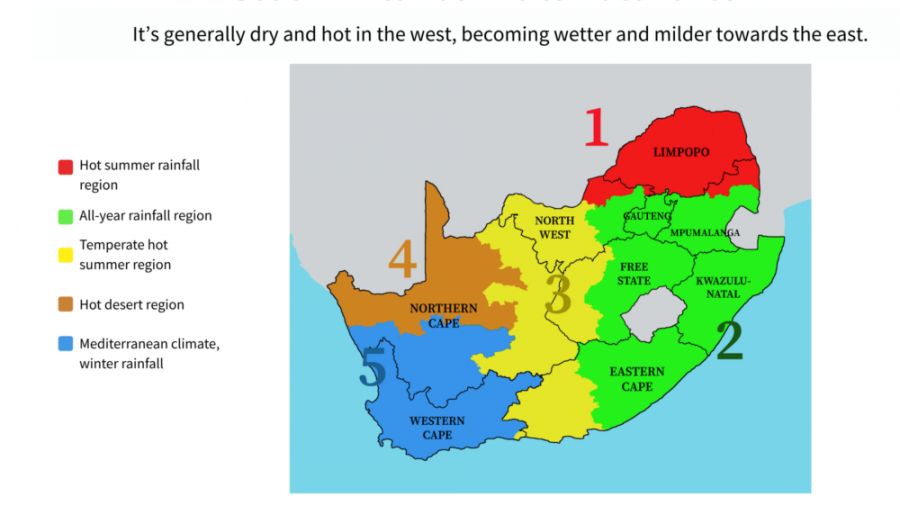
In the context of South Africa, the country boasts five distinct climatic regions. The western areas tend to be drier and hotter, while regions to the east enjoy milder temperatures and more rainfall. This climatic diversity significantly influences where populations settle, with many gravitating toward areas that offer a balanced mix of temperate climate and reliable rainfall.
Preparing for a New Normal
As the data indicates, the increasing unpredictability of weather patterns necessitates improved preparedness among communities and governments alike. Planning and investment in resilient infrastructure, early warning systems, and sustainable practices can help mitigate the effects of extreme weather, but these measures require urgent attention and action.
This article serves as part of a series exploring the implications of climate change for South Africa. Understanding the underlying factors contributing to changing weather patterns is crucial for developing effective strategies to cope with an increasingly unpredictable future.
- Key Takeaways:
- South Africa has faced severe weather events more frequently in 2023.
- Global warming is linked to increased intensity and frequency of storms.
- Historical data is vital for predicting future weather patterns.
- Communities must enhance preparedness to mitigate impacts of extreme weather.