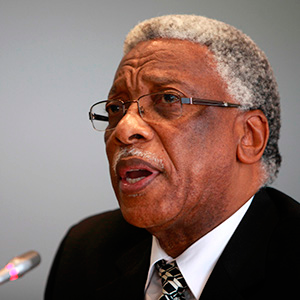
Judge President Selby Mbenenge Takes Legal Action Against JSC
In a dramatic legal battle, Eastern Cape Judge President Selby Mbenenge has taken urgent steps to safeguard his judicial position by approaching the North Gauteng High Court in Pretoria. Mbenenge is seeking to block the Judicial Service Commission (JSC) from recommending his impeachment to Parliament, following a contentious finding of gross misconduct related to a sexual harassment complaint.
Background of the Case
The controversy surrounding Mbenenge stems from allegations made by Andiswa Mengo, a court secretary, who accused him of making unwarranted sexual advances. Mengo’s evidence included WhatsApp messages sent by Mbenenge from 2021 to 2022, as well as a serious claim that he exposed himself to her in his chambers. Despite a previous ruling in January by the Judicial Conduct Tribunal, led by retired Judge President Bernard Ngoepe, which found Mbenenge guilty of misconduct, the tribunal did not classify his actions as gross misconduct.
JSC’s Rejection of Tribunal Findings
In March, the JSC rejected the tribunal’s conclusions and characterized Mbenenge’s conduct as gross misconduct, citing a serious disregard for workplace power dynamics. This significant shift in the characterization of Mbenenge’s actions has prompted him to launch legal action against the JSC, arguing that their decision was irrational and procedurally flawed.
Mbenenge’s Legal Arguments
Mbenenge’s legal team has filed for an interdict to halt the JSC’s recommendation and has requested a review of both the JSC’s decision and the tribunal’s earlier report. The Judge President contends that the tribunal exceeded its terms of reference and that the commission’s ruling was based on a defective process. Furthermore, he maintains that the interactions with Mengo were consensual, challenging the narrative presented by the JSC.
Potential Consequences of Impeachment
Should the JSC’s recommendation proceed to Parliament, Mbenenge faces the looming threat of impeachment. The National Assembly would need to vote on his removal, requiring a two-thirds majority to strip him of his judicial office and pension benefits. Mbenenge argues that allowing this process to continue would inflict irreparable harm on his reputation and career.
Public and Legal Reactions
The unfolding legal drama has captured the attention of the legal community and the public alike, raising important questions about judicial accountability and the handling of sexual misconduct allegations within the judiciary. Mbenenge’s case highlights the complexities involved in navigating allegations of misconduct, particularly when they involve figures in positions of power.
Conclusion
As Mbenenge fights to protect his position, the outcome of this case could have far-reaching implications for the judicial system in South Africa. The legal battle not only underscores the challenges faced by individuals in the judiciary but also highlights the need for transparent and fair processes when allegations of misconduct arise.