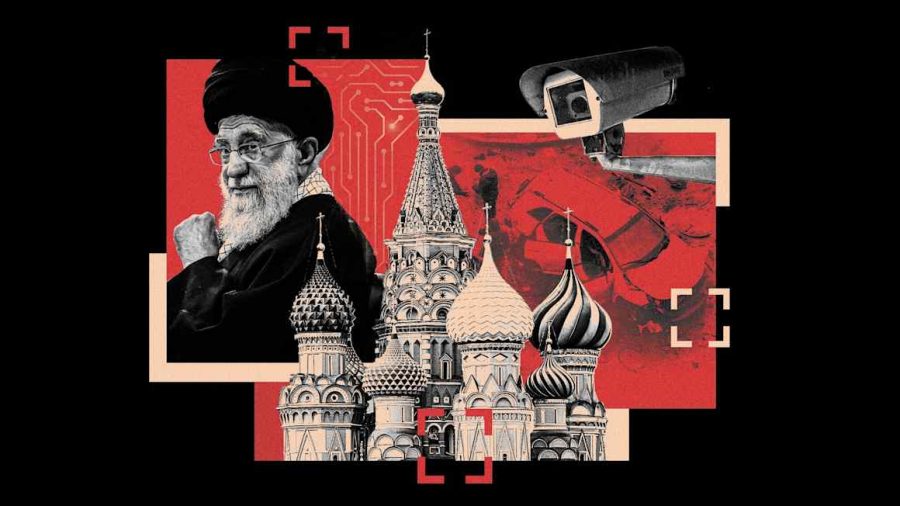
The AI Spying Breakthrough That Shook the Kremlin
In a surprising turn of events, Russia has temporarily paused its advanced surveillance operations following the assassination of Iran’s Supreme Leader. This incident laid bare the potential of artificial intelligence (AI) to analyze CCTV data, revealing how such technology could be weaponized to target political adversaries.
Unveiling the Power of AI in Surveillance
The assassination of Iran’s Supreme Leader has sent shockwaves through global political arenas, but it has also triggered a critical reassessment of surveillance capabilities within Russia. The Kremlin’s sophisticated surveillance system, which is designed to monitor various activities across the nation, is now under scrutiny after the implications of AI’s role in analyzing CCTV footage became evident.
AI technology has advanced rapidly, enabling the extraction of actionable intelligence from vast amounts of data. In this case, the ability to identify, track, and target individuals through facial recognition and behavioral analysis on CCTV has raised alarms among Russian officials. The concern is not only about privacy but also about the potential misuse of such technology against political opponents.
The Implications of AI Surveillance
As the Kremlin grapples with the fallout from the assassination, experts are warning of the dangers posed by AI in surveillance contexts. The ability to leverage AI algorithms to pinpoint enemies and dissidents from simple video footage is a double-edged sword. While it can enhance national security, it also poses a significant risk of authoritarian misuse.
- Increased Monitoring Capabilities: AI can sift through hours of video, identifying and tracking persons of interest in real time.
- Enhanced Targeting: The technology allows for more precise targeting of individuals deemed threats to the state.
- Potential for Abuse: Such capabilities raise fears of increased oppression and surveillance of ordinary citizens.
Russia’s Response to the Threat
In light of these revelations, the Russian government has paused its surveillance system, reflecting a calculated decision to reassess its capabilities and the associated risks. Officials are now faced with the dilemma of balancing national security interests with the rights of individuals. This pause could signify a broader shift in how authoritarian regimes perceive the utility and risks of AI in surveillance.
Global Reactions and Future Considerations
The international community is closely monitoring Russia’s next steps. The implications of AI-driven surveillance extend beyond Russia and Iran, influencing how governments around the world might employ similar technologies. As nations increasingly adopt AI for national security purposes, the potential for abuse becomes an urgent topic of discussion among human rights advocates and political analysts alike.
As the situation unfolds, it remains to be seen how Russia will adapt its surveillance strategies in a world where AI continues to evolve. Will the Kremlin embrace these technologies with greater caution, or will it find new ways to exploit them? The answer could shape the future of governance and civil liberties in Russia and beyond.