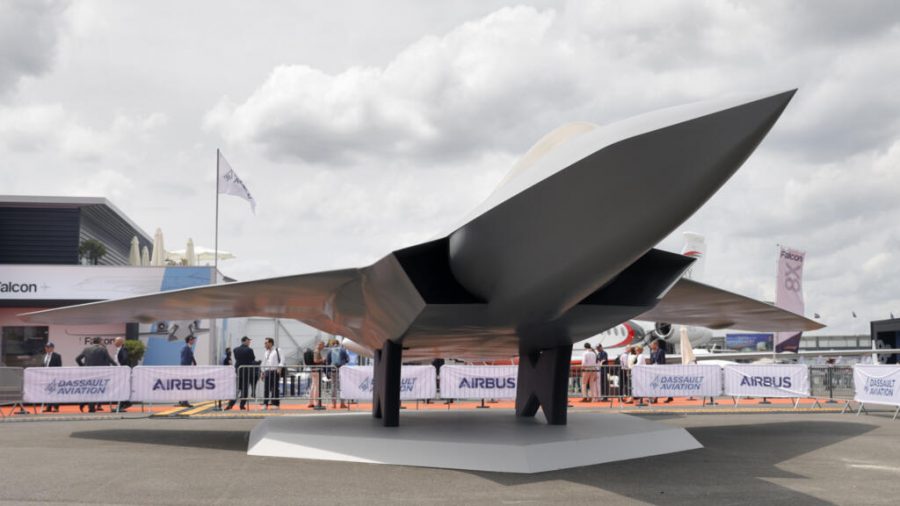
In a significant setback for European defense collaboration, France and Germany announced on Monday that they are terminating their joint fighter jet program. This decision stems from escalating tensions between French aerospace manufacturer Dassault Aviation and Airbus, which represents both Germany and Spain, highlighting the challenges facing European defense initiatives amid rising geopolitical tensions.
The Joint Fighter Jet Program: A Vision for European Defense
The ambitious joint fighter jet initiative, aimed at creating a next-generation combat aircraft, was seen as a cornerstone of Europe’s defense strategy. Launched with the intent to foster collaboration among European nations and reduce reliance on external military support, the project had garnered attention as a potential game-changer in the context of current security challenges.
Disagreements Undermine Collaboration
Despite the initial optimism surrounding the program, deep-seated disagreements between the key players have led to its unraveling. Dassault Aviation, known for its storied history in military aviation, has been at odds with Airbus over various aspects of the project, including technological sharing and leadership roles. As these conflicts escalated, it became increasingly clear that the partnership was unsustainable.
The Geopolitical Context
This abandonment of the joint fighter jet program is particularly disheartening against the backdrop of rising tensions in Europe. The ongoing conflict in Ukraine and increasing military assertiveness from Russia have underscored the need for a unified European defense strategy. Moreover, deteriorating relations with the United States have further complicated the security landscape, prompting European nations to seek greater autonomy in defense capabilities.
Implications for European Defense Strategy
The fallout from this decision raises serious questions about the future of defense cooperation within the European Union. With member states struggling to align their military goals and priorities, the dissolution of the fighter jet program could hinder collective efforts to enhance military readiness and response capabilities.
Potential Fallout for the Aerospace Industry
The implications extend beyond just military strategy. The decision is likely to reverberate throughout Europe’s aerospace industry, affecting thousands of jobs and potentially stalling technological advancements. The joint program was expected to create significant economic benefits and foster innovation in the sector.
Looking Ahead: The Need for Renewed Cooperation
As the dust settles on this decision, the need for renewed cooperation among European nations becomes increasingly evident. The EU has long touted the importance of a unified defense strategy, and this incident may serve as a wake-up call for member states to address their differences and work towards a cohesive approach to security.
In light of the current geopolitical climate, it is crucial for European powers to reassess their defense strategies and find common ground. The future of European defense cooperation may hinge on the ability of nations to overcome internal divisions and prioritize collaboration over competition.
Conclusion: A Call to Action
The termination of the joint fighter jet program marks a crucial juncture in European defense collaboration. As national interests continue to diverge, the EU must urgently focus on fostering unity and cooperation to ensure that it can effectively address the security challenges of the 21st century. The stakes are high, and the time for action is now.