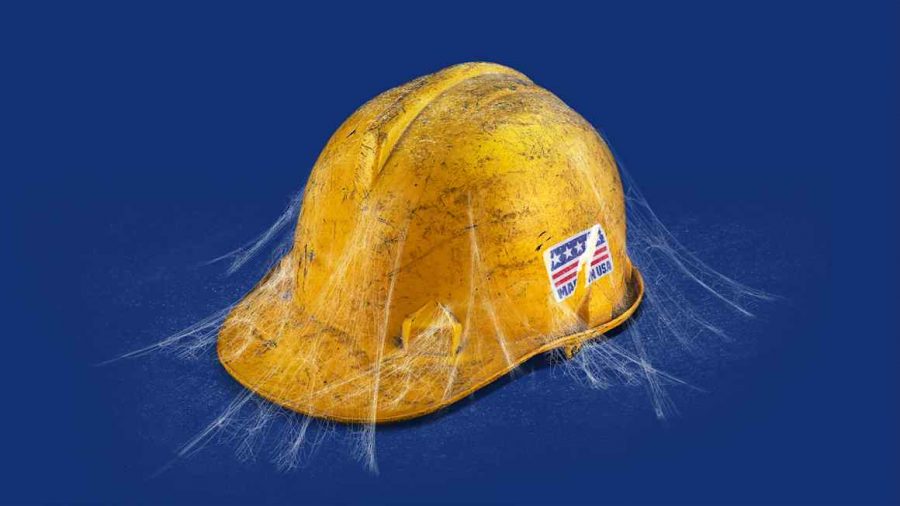
The Decline of American Manufacturing: Barriers to a Rebirth
In recent years, the narrative surrounding American manufacturing has been one of optimism and resurgence. However, as we delve deeper into 2023, it becomes clear that this anticipated rebirth is facing significant hurdles. Skills shortages, shifting tariffs, and a complex permitting process are some of the major barriers that continue to stifle growth in this critical sector.
Skills Shortages: A Rising Concern
One of the most pressing challenges facing the American manufacturing industry today is the persistent skills gap. With rapid advancements in technology and automation, the demand for a highly skilled workforce has never been greater. Unfortunately, the supply is struggling to keep pace. According to a recent survey by the National Association of Manufacturers, nearly 80% of manufacturers report a shortage of qualified candidates for available positions.
- Technological Advancements: As factories become more automated, the need for workers who can operate and maintain advanced machinery has skyrocketed.
- Training Programs: Many educational institutions have not adapted quickly enough to the evolving needs of the manufacturing sector, leaving a gap in relevant training.
- Aging Workforce: A significant portion of the workforce is nearing retirement, further exacerbating the skills shortage.
Shifting Tariffs: A Complicating Factor
The landscape of international trade is another area where uncertainty reigns. The imposition of tariffs, particularly under previous administrations, has created a convoluted environment for manufacturers. Companies that rely on imported raw materials have faced increased costs, which can lead to higher prices for consumers or reduced profit margins.
- Impact on Small Manufacturers: Smaller businesses are often hit hardest, as they lack the resources to absorb these increased costs.
- Global Supply Chains: The complexities of global supply chains mean that manufacturers must navigate a web of regulations and tariffs that can change unexpectedly.
- Trade Relations: Ongoing trade disputes with key partners can further destabilize the market, creating an uncertain environment for investment.
Complex Permitting Processes: A Roadblock to Growth
In addition to skills shortages and shifting tariffs, the permitting process for new manufacturing facilities is fraught with complexity. The lengthy and often convoluted nature of obtaining the necessary permits can deter investment and slow down expansion efforts.
- Bureaucratic Delays: Manufacturers frequently face delays that can stretch for months or even years, hindering their ability to respond to market demands.
- Environmental Regulations: While necessary, stringent environmental regulations can add layers of complexity to the permitting process, making it difficult for new facilities to be established.
- Local Governments: Variability in local regulations can create further confusion, as manufacturers must navigate different rules and requirements across jurisdictions.
The Path Forward: Addressing the Challenges
Despite these formidable challenges, there are pathways for revitalizing American manufacturing. Collaboration between industry leaders, educational institutions, and government agencies is essential to address the skills gap. Additionally, streamlining the permitting process and establishing clear guidelines for tariffs can help provide manufacturers with the stability they need to thrive.
As the nation moves forward, it is imperative that stakeholders come together to forge a new path for American manufacturing. The potential for a renaissance in this sector remains, but it will require concerted effort to overcome the barriers that currently stand in the way.