Escalating Tensions in the Middle East
In a dramatic turn of events, the United States has initiated a second wave of airstrikes against Iran early Thursday morning, following President Donald Trump’s stern warning that Tehran would “pay the price” for the ongoing deadlock in negotiations. This latest military action has heightened tensions in an already volatile region, with Iran responding aggressively by announcing the closure of the strategically vital Strait of Hormuz.
The Context of Rising Hostilities
In recent months, diplomatic efforts between the United States and Iran have stalled, leading to a series of provocative actions on both sides. The U.S. has been ramping up its military presence in the Gulf region, citing concerns over Iranian aggression and its nuclear ambitions. The situation escalated further when President Trump issued a stark warning, indicating that Iran’s failure to engage in productive dialogue would lead to severe consequences.
Details of the Airstrikes
The airstrikes, described as focused and precise, targeted key military installations within Iran that are believed to be linked to the country’s missile programs and regional militias. U.S. officials have stated that the strikes are intended to deter Iran from further hostile actions, particularly those threatening American interests and allies in the Middle East.
Iran’s Response
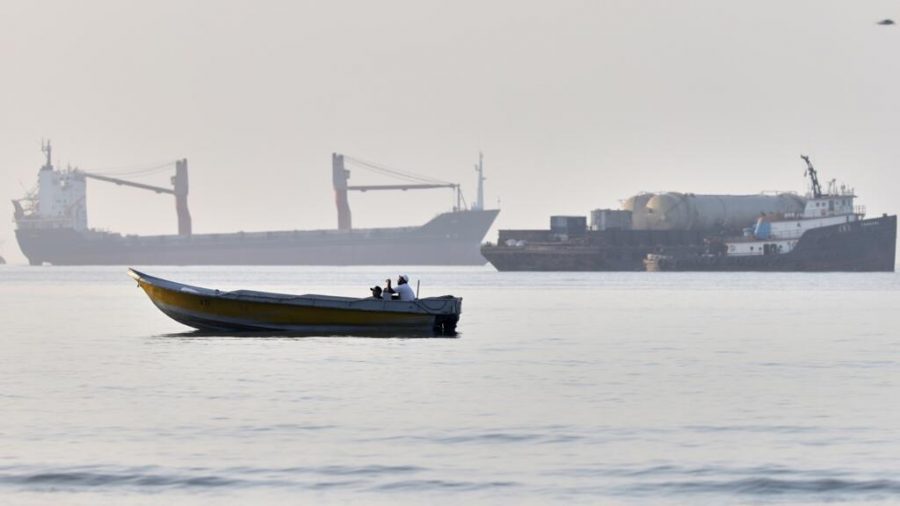
In retaliation to the U.S. airstrikes, Iranian officials announced the closure of the Strait of Hormuz, a crucial chokepoint for global oil shipments. This move has raised alarm bells among international maritime organizations, as approximately one-fifth of the world’s oil passes through this narrow waterway. Furthermore, Iranian forces have reportedly launched their own strikes targeting military positions in Bahrain and Kuwait, further escalating the conflict.
The Impact on Regional Stability
The closure of the Strait of Hormuz threatens to disrupt global oil markets and could lead to increased naval confrontations in the region. Analysts warn that prolonged tensions could spiral into a broader conflict, drawing in various regional and international players. The situation remains fluid, with both sides poised for further military engagement.
International Reactions
The international community is closely monitoring the developments, with countries expressing concern over the potential for escalation. European leaders have called for restraint, urging both the U.S. and Iran to return to the negotiating table to avoid a full-blown conflict. Meanwhile, the United Nations has yet to issue a formal statement regarding the airstrikes and Iran’s subsequent actions, as diplomatic channels remain strained.
Conclusion
The conflict between the U.S. and Iran represents one of the most significant geopolitical challenges in recent years, with implications that extend far beyond the Middle East. As both nations prepare for potential further military actions, the world watches with bated breath, hoping for a resolution that will avert a catastrophic confrontation. The situation may evolve rapidly, and updates will be crucial for understanding the broader implications for regional and global security.