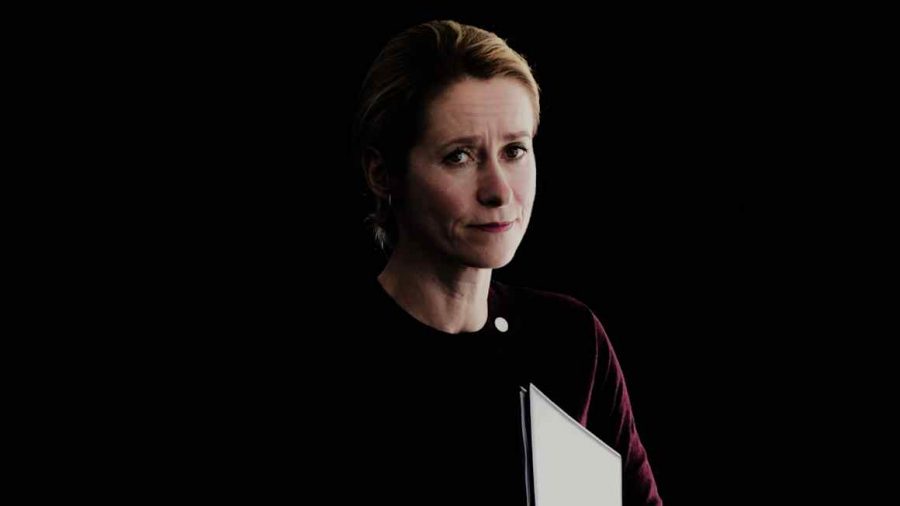
EU Member States Reassess the Future of the European External Action Service
In a significant development that could reshape the European Union’s diplomatic landscape, several EU member states are contemplating major changes to the European External Action Service (EEAS). This move comes in response to growing frustrations over leadership and coordination issues within the bloc’s diplomatic framework, which has been under increasing scrutiny.
Leadership Challenges at the EEAS
At the center of this debate is Kaja Kallas, the EU’s chief diplomat, whose management of the EEAS has drawn criticism from various capitals. Many member states feel that the current structure lacks the agility and responsiveness necessary to address pressing international challenges. As a result, there is a rising sentiment among member states to either reform or, in some cases, “tear apart” the EEAS in favor of a more effective diplomatic apparatus.
Coordination Issues Affecting EU Diplomacy
One of the primary concerns cited by member states is the perceived lack of coordination between the EEAS and national foreign ministries. Diplomats have reported instances where decisions made in Brussels have not aligned with the interests or strategies of individual member countries. This disconnect has led to a fragmented approach to foreign policy, undermining the EU’s ability to present a united front on global issues.
Calls for Reform
In light of these challenges, a growing number of EU countries are advocating for a comprehensive reform of the EEAS. Some member states are proposing a fundamental restructuring that would grant national governments greater control over their diplomatic missions, allowing for a more tailored approach to foreign policy. Others argue for a complete overhaul of the EEAS’s leadership, suggesting that new blood could reinvigorate the service and restore confidence among member states.
The Implications of Change
The potential restructuring of the EEAS raises critical questions about the future of EU diplomacy. If member states decide to proceed with significant reforms, the move could lead to a more decentralized approach to foreign policy. This could empower individual countries to pursue their national interests more vigorously, but it may also risk diluting the EU’s collective influence on the global stage.
Member States Weigh Their Options
- Proponents of Reform: Advocates for change believe that a more responsive and coordinated EEAS can better address global challenges, including security threats and economic crises.
- Opponents of Change: Conversely, some member states fear that dismantling or significantly altering the EEAS could weaken the EU’s diplomatic cohesion, making it more challenging to achieve consensus on critical issues.
Conclusion
As EU member states grapple with the future of the EEAS, the outcome of these discussions will undoubtedly have far-reaching implications for the EU’s role in global affairs. The ongoing debate highlights the delicate balance between national interests and collective action, a challenge that has long defined the European project. As the EU navigates these turbulent waters, the decisions made in the coming weeks and months will shape the trajectory of its diplomatic service for years to come.