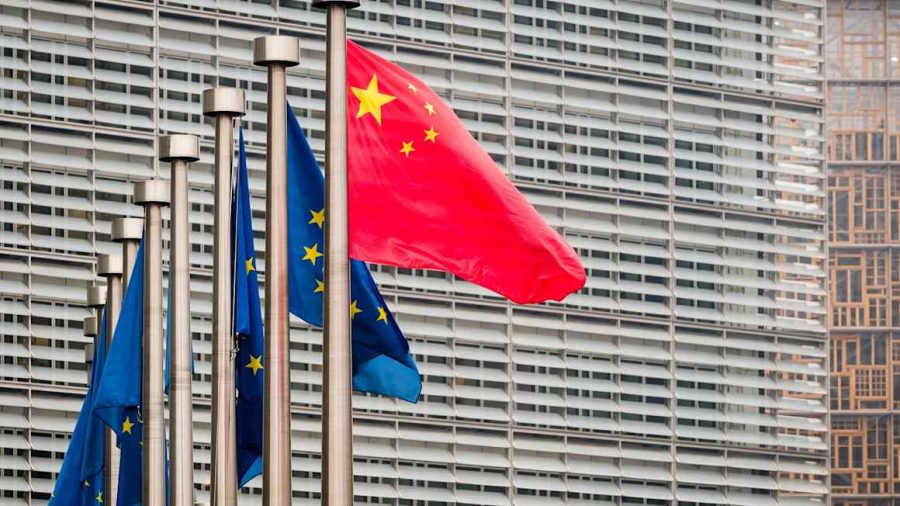
China Cancels Planned Talks with EU Amid Escalating Tensions
In a surprising turn of events, China has abruptly canceled two sets of high-level meetings originally scheduled to take place in Beijing with European Union officials. This move comes at a time when relations between the two trade superpowers are increasingly strained, raising concerns about the future of diplomatic engagements and trade negotiations.
Background of the Canceled Meetings
The meetings, which were set to involve key discussions on trade policies and economic collaboration, were anticipated as a platform for both sides to address mutual concerns and strengthen ties. However, the cancellation has sent shockwaves through diplomatic circles, prompting questions about China’s commitment to international cooperation amid rising global tensions.
Reasons Behind the Cancellation
While official reasons for the abrupt cancellation have not been disclosed, analysts suggest that the decision reflects the growing discord between China and the EU over various issues, including trade imbalances, market access, and human rights concerns. The EU has been vocal about its criticisms of China’s trade practices, which it views as unfair and detrimental to European businesses.
Additionally, recent geopolitical developments, particularly regarding China’s assertive stance in the Asia-Pacific region and its relationship with Russia, have contributed to the fraying ties. The EU is increasingly wary of China’s growing influence and its implications for global stability.
The Impact on EU-China Relations
The cancellation of these meetings could have significant repercussions for future EU-China relations. Both parties have been engaged in a delicate balancing act, navigating complex issues while trying to foster economic ties. The absence of dialogue may hinder progress on critical matters, such as climate change cooperation and supply chain resilience.
Furthermore, the EU has been exploring alternatives to its dependency on Chinese goods, especially in light of recent supply chain disruptions caused by the COVID-19 pandemic. A breakdown in communication could exacerbate these efforts, leading to a more fragmented global trade landscape.
Responses from EU Officials
In response to the cancellation, EU officials have expressed disappointment but remain committed to pursuing diplomatic channels. A spokesperson for the European Commission stated, “We are willing to engage in constructive dialogue with China, but we also expect transparency and reciprocity in our interactions.”
This sentiment has been echoed by various EU member states, which emphasize the importance of maintaining open lines of communication, despite the challenges posed by recent events.
Looking Ahead
The future of EU-China relations remains uncertain, as both sides grapple with their respective domestic and international priorities. With the global economy on shaky ground, the need for collaboration has never been more pressing.
As tensions continue to rise, it is crucial for both the EU and China to find common ground and re-establish channels for dialogue. The world will be watching closely to see how these developments unfold and what impact they may have on the broader geopolitical landscape.
Conclusion
The cancellation of high-level meetings between China and the EU marks a significant moment in their relationship, underscoring the fragility of international diplomacy in a rapidly changing world. As both sides navigate these turbulent waters, the hope remains that constructive dialogue can pave the way for a more stable and cooperative future.