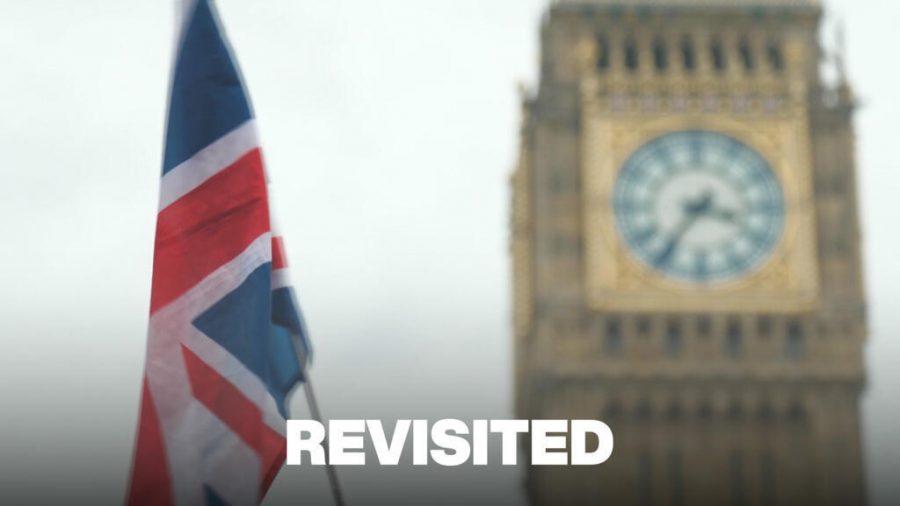
Brexit: A Decade of Consequences and Reflections
On June 23, 2016, the United Kingdom made a historic decision that would reverberate through its political and social landscape for years to come. With a narrow margin of 52 percent voting to leave the European Union against 48 percent opting to remain, the Brexit referendum was a political storm few had anticipated. Now, a decade later, we revisit the implications of this pivotal moment and explore the multifaceted impact it has had on the nation.
Political Landscape Transformed
The political ramifications of Brexit have been profound. It not only reshaped the landscape of British politics but also raised questions about national identity, sovereignty, and governance. The Conservative Party, riding the wave of Leave sentiment, has dominated British politics post-referendum, while the Labour Party has struggled to redefine itself in the aftermath of the divisive vote.
In Scotland, the desire for independence has gained renewed momentum, with pro-independence parties capitalizing on discontent over Brexit. The Scottish National Party (SNP) has argued that Brexit undermines Scotland’s interests, fueling calls for another referendum on independence. Meanwhile, Northern Ireland remains a focal point of tension, grappling with the complexities of the Northern Ireland Protocol and its implications for the Good Friday Agreement.
Societal Shifts and Public Sentiment
Beyond politics, Brexit has instigated significant societal shifts. Public sentiment has been mixed; many who voted Leave express feelings of regret as they confront the realities of a post-Brexit world. Issues like immigration, trade, and social services have come to the forefront, prompting debates about the future of the welfare state and public services.
- Immigration: Changes in immigration laws and policies have sparked conversations about labor shortages in key sectors, particularly in healthcare and agriculture.
- Trade Relationships: The UK’s new trade agreements have been scrutinized, with some arguing that they fail to compensate for the loss of access to the EU single market.
- National Unity: The referendum has left divisions within communities, as families and friends found themselves on opposing sides of a contentious issue.
Economic Impacts: A Double-Edged Sword
The economic fallout from Brexit is another area of considerable debate. Proponents of leaving the EU argued that it would lead to greater economic freedom and opportunities. However, the reality has often contradicted these claims. The UK economy has faced a myriad of challenges, including inflation, supply chain disruptions, and reduced foreign investment.
Particular sectors, such as farming and fishing, have experienced notable upheavals. Farmers have reported difficulties due to new trade barriers and labor shortages, leading to concerns about food security. The fishing industry, once a focal point of the Leave campaign, has struggled under the weight of new regulations and access challenges to EU waters.
Looking Ahead: What Does the Future Hold?
As we look to the future, the question remains: Has Brexit improved the lives of the British people? While some may feel a sense of national pride and autonomy, many others are grappling with the tangible consequences of their choice. The next few years will be critical as the UK navigates its newfound independence and seeks to define its place on the global stage.
In conclusion, Brexit has undeniably reshaped the UK in numerous ways, from its political environment to its social fabric and economic structures. As the nation reflects on the past decade, it is essential to consider both the achievements and the challenges that lie ahead in this ongoing journey of self-determination.