Escalating Tensions: Israeli Strikes in Southern Lebanon
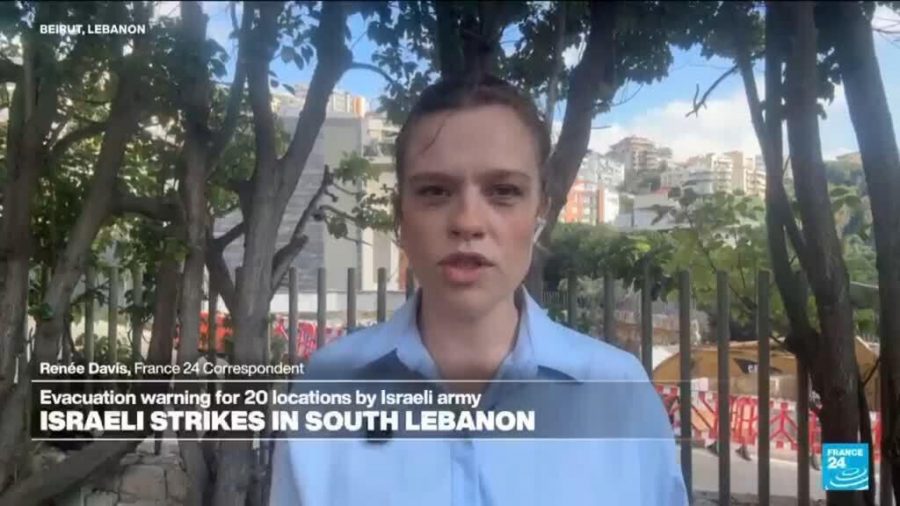
On Saturday, Lebanon reported a series of Israeli air strikes targeting its southern regions, marking a significant escalation in military tensions. The Israeli Defense Forces (IDF) have also issued broad evacuation warnings for over 20 locations, including the city of Nabatieh, as they prepare for potential ground operations.
Details of the Strikes
The air strikes, which began early in the morning, have reportedly struck several key areas in southern Lebanon, focusing on locations believed to be linked with militant groups. Witnesses described loud explosions and plumes of smoke rising from the targeted sites, contributing to the growing fears among civilians.
Evacuation Orders and Civilian Impact
In response to the escalating violence, the Israeli military has advised residents of more than 20 communities, including Nabatieh, to evacuate immediately. This directive has left many locals in a state of panic, as they scramble to find safety away from the conflict zones.
- The evacuation orders are part of Israel’s broader strategy to mitigate civilian casualties in the event of an imminent ground offensive.
- Authorities are urging civilians to move to designated safe zones that are believed to be out of the reach of military operations.
- Many families are facing difficult decisions, as they must leave behind their homes and belongings in search of safety.
International Reactions
The strikes and subsequent evacuation warnings have drawn international concern, with various governments calling for restraint and dialogue. The United Nations has urged all parties involved to prioritize civilian safety and adhere to international humanitarian laws.
Local Reactions and Community Resilience
Lebanese officials have condemned the strikes, labeling them as acts of aggression that violate the sovereignty of Lebanon. Local leaders are rallying support for the affected communities, providing aid and resources to those displaced by the violence.
Despite the chaos, community resilience remains strong. Residents are coming together, offering shelter and support to families fleeing from the strikes. Local NGOs and humanitarian organizations are mobilizing to provide essential supplies, including food, water, and medical assistance.
The Broader Context of the Conflict
This latest escalation comes amid ongoing tensions between Israel and various militant groups operating in Lebanon, particularly Hezbollah. The conflict has deep historical roots, with periodic flare-ups continuing to threaten regional stability.
The situation remains fluid, with the potential for further military actions on both sides. Observers are closely monitoring developments, as the conflict not only impacts Lebanon and Israel but also has broader implications for the Middle East.
As the international community watches, the focus remains on de-escalation and the protection of civilians caught in the crossfire. The hope is that diplomatic efforts can pave the way for a return to peace and stability in the region.