NATO’s Response to Evolving Threats
The North Atlantic Treaty Organization (NATO) is currently re-evaluating its defense strategies for Europe in light of a changing geopolitical landscape. This comes as the United States announces a reduction in its military support, particularly in terms of aircraft and naval assets, which has raised concerns about the alliance’s preparedness against potential Russian aggression.
US Military Support in Question
Recent developments have put NATO’s security framework under scrutiny. With the US planning to redirect its military resources to conflicts in other regions, including the Pacific, NATO’s top military officer is urgently exploring alternative defense plans for Europe. This shift has prompted discussions about how European nations can bolster their own defenses in the face of a potentially destabilizing threat from Russia.
Insights from Experts
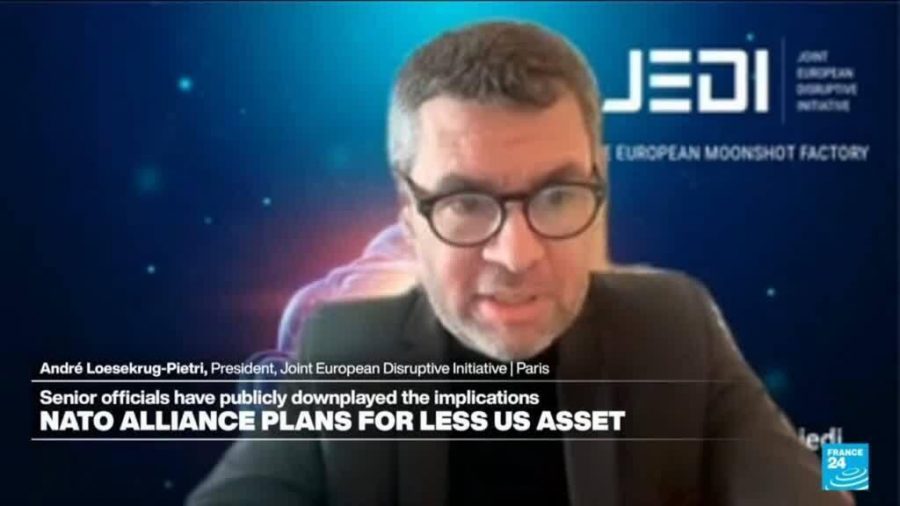
To gain deeper insights into the situation, we spoke with André Loesekrug-Pietri, president of the Joint European Disruptive Initiative. His expertise sheds light on the implications of the US’s reduced military footprint in Europe and the ways NATO can adapt to these challenges.
The New European Defense Landscape
Loesekrug-Pietri emphasized the urgency of reassessing European defense capabilities. “The reliance on US military support has historically been a cornerstone of NATO’s strategy. However, as the US recalibrates its focus, European nations must enhance their own military readiness and capabilities to counter potential threats from Russia,” he stated.
Alternative Defense Strategies
NATO is considering several alternative strategies to ensure the security of its member states. Among these are:
- Increased Military Spending: European nations may need to allocate more resources towards their own defense initiatives, ensuring that they can independently respond to threats.
- Enhanced Military Cooperation: Strengthening joint military exercises and operations among NATO members could improve readiness and interoperability.
- Investment in Advanced Technologies: Developing and acquiring cutting-edge military technologies will be crucial for maintaining a competitive edge.
- Cybersecurity Enhancements: As threats evolve, NATO must prioritize cybersecurity to protect critical infrastructure against potential attacks.
The Role of European Nations
The responsibility to defend Europe does not rest solely on NATO or the US; European nations themselves must take proactive measures. Loesekrug-Pietri noted, “Collaboration among European countries is vital. Nations must work together to create a cohesive defense strategy that can effectively deter aggression from Russia. This includes sharing intelligence, resources, and best practices.”
Political Ramifications
The shifting dynamics of military support have significant political implications as well. Discussions within NATO are expected to influence member states’ domestic policies regarding defense spending and military readiness. The challenge will be to balance national interests with collective security commitments.
Conclusion
As NATO navigates these complex challenges, the alliance’s ability to adapt will be crucial in safeguarding Europe against potential threats. The re-evaluation of military strategies and the empowerment of European nations to take charge of their own defense may define the future landscape of security in the region. With the specter of Russian aggression looming, the time for decisive action is now.