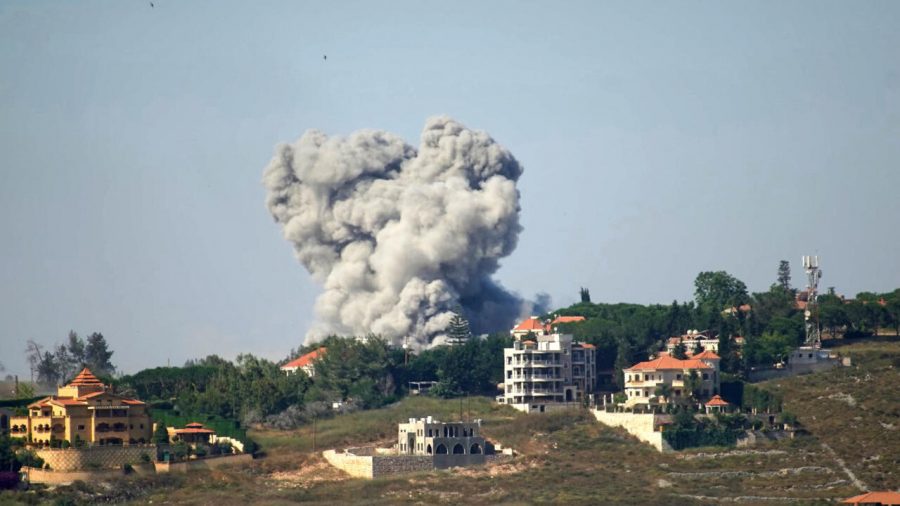
US and Iran Engage in Critical Talks as Lebanon Tensions Rise
As tensions escalate in Lebanon, the United States and Iran have commenced crucial negotiations that could reshape the geopolitical landscape of the region. The ongoing conflict in Lebanon threatens to complicate existing agreements and heighten the stakes in an already volatile environment.
Background of the Lebanon Conflict
The situation in Lebanon has deteriorated over recent months, with various factions vying for control and influence. The rise of militant groups and the involvement of foreign powers have intensified the conflict, leading to fears of a broader regional war. The interplay between local and international interests has created a complex web of alliances and enmities.
The Role of the United States
The United States has long been a key player in Middle Eastern politics, often acting as a mediator in regional disputes. However, its relationship with Iran has been fraught with tension, particularly since the withdrawal from the nuclear deal in 2018. The current talks aim to address these longstanding issues while also tackling the immediate threats posed by the situation in Lebanon.
Iran’s Position
Iran finds itself at a critical juncture as it navigates its foreign policy amidst increasing pressure from the West. The Iranian government has expressed its commitment to supporting its allies in Lebanon, asserting that stability in the region is essential for its national security. Iran’s involvement in the negotiations will be pivotal in determining the outcome, not just for Lebanon but for the broader Middle East.
Key Issues on the Table
During the negotiations, several key issues are expected to be addressed:
- Ceasefire Agreements: Discussions surrounding a potential ceasefire to de-escalate violence in Lebanon.
- Nuclear Deal Revisions: Potential amendments to the 2015 nuclear agreement, which remains a contentious point between the U.S. and Iran.
- Regional Security: Strategies for enhancing security cooperation among regional players to prevent future conflicts.
- Humanitarian Aid: Proposals for increased humanitarian assistance to Lebanon amidst the ongoing crisis.
International Reactions
The international community is closely monitoring the negotiations, with various countries expressing their hopes for a peaceful resolution. European nations, in particular, have called for a united front to address the multifaceted challenges that Lebanon faces. Many observers believe that a successful dialogue between the U.S. and Iran could set a precedent for future negotiations involving other contentious issues in the region.
The Stakes Ahead
As the talks unfold, the stakes could not be higher. A failure to reach an agreement could lead to further destabilization in Lebanon and potentially ignite a larger conflict that draws in multiple nations. Conversely, a successful negotiation could pave the way for a new era of diplomacy in the Middle East, where dialogue replaces aggression.
Conclusion
The ongoing negotiations between the United States and Iran represent a crucial moment in the effort to stabilize Lebanon and the broader region. With both sides facing immense pressure from their respective constituencies, the outcome of these talks will have far-reaching implications for international relations and peace in the Middle East.