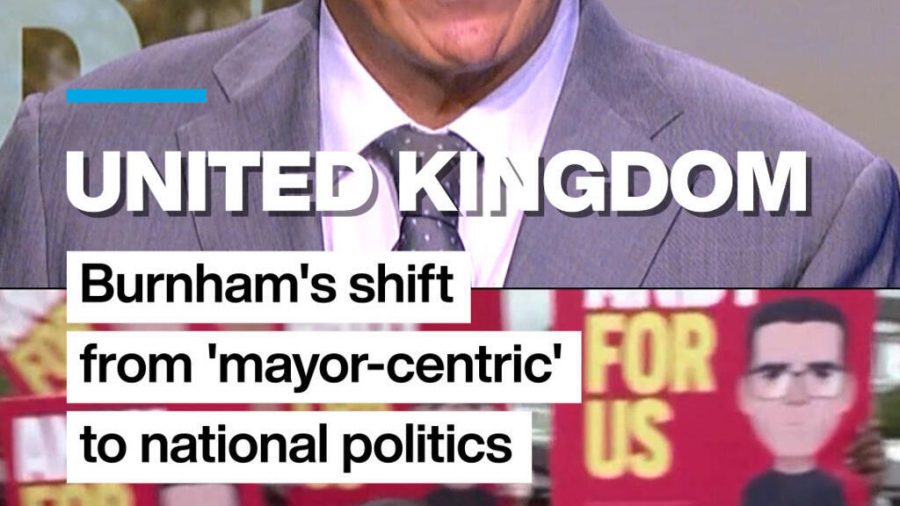
From Mayor of Greater Manchester to a National Voice
Andy Burnham’s journey from being the mayor of Greater Manchester to a prominent figure in national politics marks a significant shift in the political landscape of the United Kingdom. Known for his advocacy of local governance, Burnham’s vision seeks to redistribute power from Westminster to local authorities, thereby enhancing democratic engagement at the grassroots level.
The Early Days: A Vision for Local Power
Upon taking office as mayor in 2017, Burnham immediately recognized the challenges facing local governments in a system historically dominated by Westminster. He proposed a radical shift in governance, advocating for greater autonomy for cities and regions. “We need to change the way power is distributed in this country,” Burnham stated during his campaign, highlighting the necessity for local authorities to have more control over their own resources and decisions.
National Politics: A New Frontier
As Burnham’s tenure progressed, his focus on local governance did not diminish; rather, it evolved into a call for broader national reform. His experience as mayor has shaped his understanding of the intricacies of local needs versus national policies. He has become a vocal critic of the centralized power structure that often overlooks the unique challenges faced by regions like Greater Manchester.
Local Governance and Its Implications
Burnham’s advocacy is rooted in the belief that local governments are more attuned to the issues affecting their communities. He argues that empowering local authorities with more power and resources can lead to more effective solutions for issues such as housing, transportation, and public health. “Local leaders understand their communities better than distant bureaucrats,” he often emphasizes.
A Broader Movement for Decentralization
Burnham’s push for decentralization aligns with a growing movement across the UK for more localized decision-making. This movement has gained traction among various political factions, as regional leaders and local councils voice their frustrations over Westminster’s top-down approach. Burnham’s call for a national conversation about devolution reflects a wider desire for a political system that is more responsive to local needs.
The Challenges Ahead
Despite his popularity and the support for his vision, Burnham faces significant challenges in translating local governance ideals into national policy. The existing political framework is resistant to change, and many in Westminster remain skeptical of devolution. Additionally, as Burnham navigates his ambitions at the national level, he must contend with the complexities of party politics and public opinion.
Looking to the Future
As Burnham continues to champion the cause of local governance, his role as a national figure is becoming increasingly prominent. His leadership style, characterized by empathy and a commitment to community, resonates with a public fatigued by traditional political narratives. Observers are keenly watching how Burnham will leverage his experience in local government to influence national policy and whether he can inspire a new generation of leaders to prioritize local issues.
Conclusion
Andy Burnham’s shift from a mayor-centric approach to a broader national role exemplifies the evolving dynamics of UK politics. His vision for a decentralized political system has the potential to reshape governance in the country, making it more inclusive and responsive to the needs of its citizens. As Burnham forges ahead, the conversation about power distribution and local autonomy is sure to remain at the forefront of political discourse.