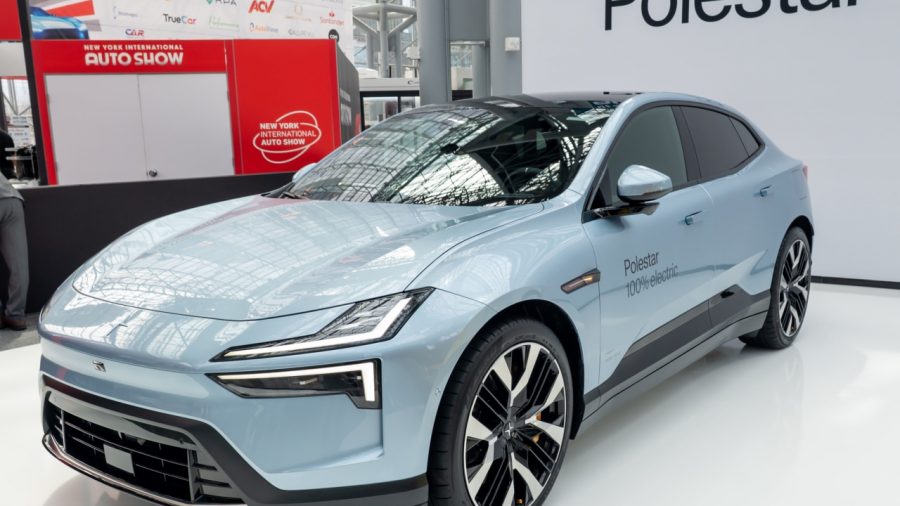
Polestar Bows Out of the U.S. Market Due to Regulatory Constraints
In a significant shift in the automotive landscape, Polestar, the Chinese-owned electric vehicle (EV) manufacturer, has announced its decision to withdraw from the U.S. market. This move comes in response to a stringent government regulation that prohibits the use of certain Chinese software in vehicles sold in the United States, raising concerns over national security and data privacy.
The Regulatory Landscape
The U.S. government’s recent imposition of rules regarding Chinese software has been a point of contention in the ongoing geopolitical tensions between the two nations. The regulation was designed to safeguard American consumers from potential security risks associated with foreign technology, particularly in the automotive sector. As a result, companies like Polestar, which rely heavily on advanced software for their EVs, find themselves grappling with compliance challenges.
Polestar’s Response
Polestar’s withdrawal is not merely a business decision; it reflects the broader implications of the U.S.-China relationship. In a statement, the company expressed its disappointment, emphasizing their commitment to innovation and environmental sustainability. “While we were excited about bringing our cutting-edge electric vehicles to American consumers, the current regulatory environment has made it impossible for us to operate successfully in this market,” said a Polestar spokesperson.
Impact on the EV Market
The exit of Polestar from the U.S. market is expected to have ripple effects across the electric vehicle segment. As more consumers look to transition to sustainable transportation, the absence of a competitor like Polestar could limit options for buyers and potentially slow down the adoption of EVs in a critical market.
Alternatives for Consumers
With Polestar stepping back, American consumers will need to explore alternative EV brands. The market remains robust, with numerous manufacturers vying for consumer attention. Here are some notable alternatives:
- Tesla: The frontrunner in the EV market, known for its innovative technology and extensive charging infrastructure.
- Ford: With its Mustang Mach-E and upcoming electric F-150, Ford is making significant strides in the EV arena.
- Rivian: Focused on electric trucks and SUVs, Rivian has garnered attention for its unique offerings.
- Lucid Motors: Targeting the luxury segment, Lucid is known for its high-performance electric vehicles.
Looking Ahead
The ongoing regulatory scrutiny of foreign technology in the U.S. is likely to shape the future of the automotive industry. As tensions between the U.S. and China continue, other companies may face similar challenges, potentially reshaping the competitive landscape of the EV market.
While Polestar has exited the U.S. market, it remains to be seen how this will impact its global operations and future growth. The company has indicated that it will continue to focus on markets where it can operate without such restrictions, emphasizing its commitment to sustainability and innovation.
Conclusion
As the demand for electric vehicles continues to rise, the decision by Polestar to withdraw from the U.S. market serves as a stark reminder of the complexities surrounding international trade and technology. Consumers and industry stakeholders alike will be watching closely to see how these developments unfold and what they mean for the future of electric mobility.