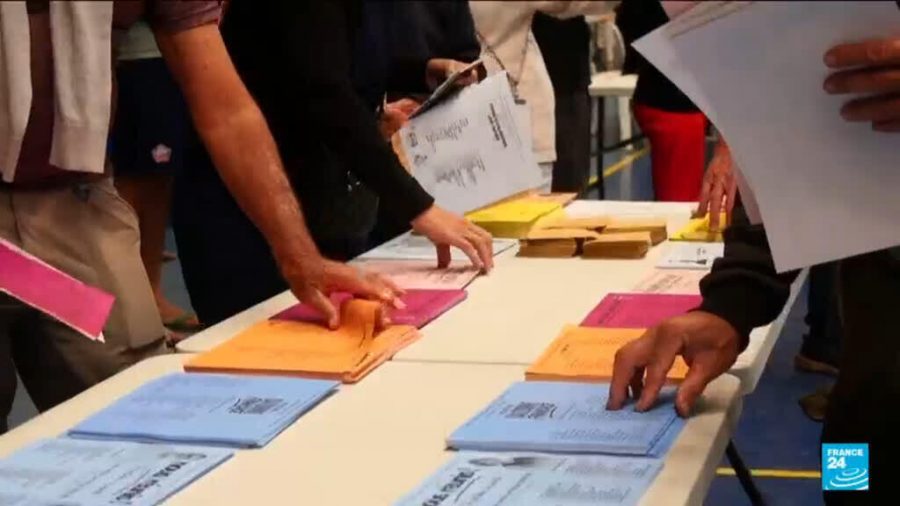
New Caledonia Elections: A Crucial Step Towards Defining Independence
As New Caledonia approaches a decisive moment in its political landscape, citizens head to the polls this Sunday for elections that could shape the territory’s future. With the specter of independence from France looming large, the peaceful atmosphere surrounding the election stands in stark contrast to the unrest that has marred previous electoral processes.
The Context of the Elections
The upcoming elections are taking place two years after significant political turmoil erupted over proposed changes to voting rights. In 2021, plans to extend voting eligibility to thousands of non-Indigenous residents ignited widespread protests and violent clashes, leading to the postponement of elections originally scheduled for 2024. The unrest underscored deep-seated divisions within the territory, highlighting the tensions between Indigenous Kanak populations and the French government.
Political Stakes and Public Sentiment
At the heart of the electoral process is the question of independence—a matter that has polarized opinions across the archipelago. Many Kanaks advocate for sovereignty, seeking to establish a separate identity and governance structure. Conversely, a significant portion of the population, including non-Indigenous residents, wishes to maintain ties with France, citing economic stability and security as primary concerns.
- Indigenous Kanak Support: Many Indigenous leaders are rallying their communities to push for independence, emphasizing the need for self-determination and cultural preservation.
- Non-Indigenous Concerns: Non-Indigenous citizens express fears that independence may lead to economic instability and a loss of public services currently supported by France.
The Peaceful Election Process
In a notable shift from the previous climate of violence, this election is characterized by a peaceful atmosphere, signaling a potential maturation of the political landscape. Local authorities have worked diligently to ensure security and encourage voter participation, hoping to avert the chaos that previously disrupted the democratic process.
Election officials are optimistic, indicating that the turnout could exceed previous years, as citizens recognize the importance of their voices in shaping the future of New Caledonia. The smooth conduct of the elections will be crucial in restoring faith in the democratic process, particularly among the Indigenous population, who have historically been marginalized in political discourse.
Looking Ahead
The outcome of this election will not only define political representation in New Caledonia but also set the stage for future discussions regarding independence. If pro-independence candidates gain significant ground, it could pave the way for further negotiations with the French government, potentially leading to a referendum on sovereignty.
Conversely, a victory for pro-French candidates may reinforce the current status quo, prolonging the debate over independence and delaying any substantial progress towards self-governance. Either way, the implications of this election extend far beyond the immediate political landscape; they touch upon issues of identity, culture, and the very essence of what it means to be a citizen of New Caledonia.
Conclusion
As New Caledonia votes, the world watches closely. The results will not only influence local governance but could also resonate in broader discussions about colonial legacies and self-determination movements across the globe. The peaceful nature of the elections provides a glimmer of hope for a future defined by dialogue and mutual respect, laying the foundation for a new chapter in New Caledonia’s history.