Estonian Minister Advocates Striking Back: Drones vs. Diplomacy
In a bold statement that underscores the growing tensions between Europe and Russia, Estonian Minister Margus Tsahkna has declared that the potential cost of deploying drones against Russian targets is justified. As discussions regarding diplomatic negotiations with Moscow continue, Tsahkna argues that such talks are not only premature but potentially detrimental to European security.
The Case for Drones
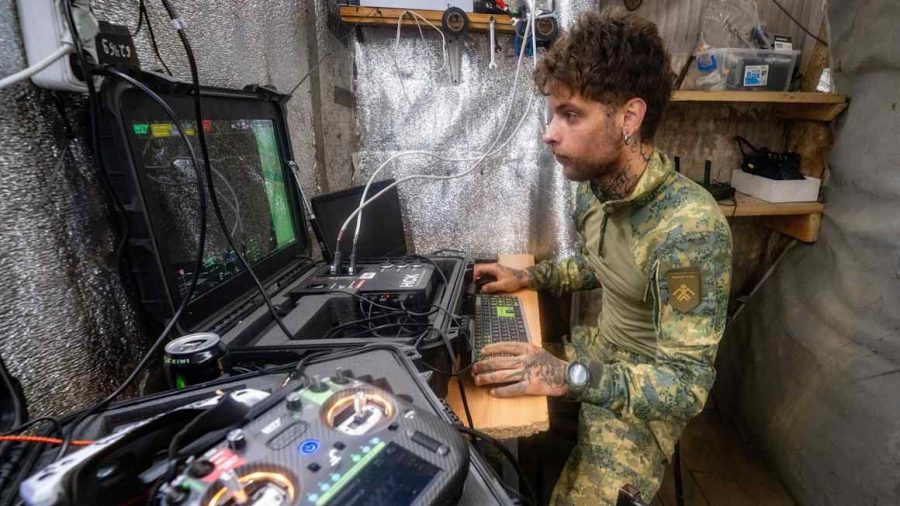
Tsahkna’s remarks come at a time when Ukraine’s armed forces have increasingly relied on drone technology to bolster their defenses against Russian aggression. The minister emphasized that the value of these unmanned aerial vehicles (UAVs) extends beyond mere military strategy; they represent a tangible means of asserting Ukraine’s sovereignty and retaliating against ongoing provocations from Russia.
“The cost of these drones is a small price to pay for national security and the restoration of territorial integrity,” Tsahkna stated during a recent press briefing. He believes that supporting Ukraine in this manner sends a clear message to Russia regarding the consequences of its actions.
Premature EU Negotiations
Tsahkna’s comments regarding EU negotiations reflect a growing frustration among Eastern European nations regarding the European Union’s approach to diplomacy with Russia. He argues that engaging in talks at this stage could embolden Moscow, undermining the resolve of countries like Estonia, Latvia, and Lithuania, which have long felt the threat of Russian expansionism.
“We cannot negotiate with a regime that disregards international law and human rights. Any talks should only come after significant changes in Russian behavior,” he asserted, urging EU leaders to reassess their timelines for negotiations.
The Broader Implications for European Security
Tsahkna’s stance is indicative of a wider sentiment among Baltic states that view the situation in Ukraine as a bellwether for their own security. As Russia continues to demonstrate its willingness to use military force, Baltic nations are increasingly wary of potential Russian aggression on their own borders.
In recent months, NATO has ramped up its military presence in Eastern Europe, a move that has been welcomed by local governments but also criticized by Moscow. Tsahkna supports this increased NATO presence, arguing that it is vital for deterring future Russian incursions. “The security of Estonia is intrinsically linked to the security of the entire region,” he remarked.
Public Support for Military Action
Public opinion in Estonia appears to back Tsahkna’s assertions, with a considerable majority of citizens supporting military assistance to Ukraine. A recent poll indicated that over 70% of Estonians believe that their government should take a more proactive role in aiding Ukraine, including the provision of advanced military technology.
As the conflict persists, the Estonian government faces mounting pressure to act decisively. Many citizens view the fight against Russian aggression in Ukraine as a fight for their own future. Tsahkna’s call for drone strikes is seen not only as a show of solidarity with Ukraine but also as a warning to Moscow that the Baltic states will not stand idly by.
Conclusion
As the geopolitical landscape continues to shift in Eastern Europe, the Estonian minister’s comments serve as a rallying cry for a more assertive approach to security and defense. With EU negotiations on the table, the stakes are high, and the decisions made in the coming months will have profound implications for both Ukraine and the broader region.