Iran’s Mourning and Calls for Revenge at Ayatollah’s Funeral
The death of a prominent ayatollah has ignited a powerful wave of mourning across Iran, with thousands gathering to pay their respects and express their demands for retribution. This week-long remembrance not only serves as a tribute to the deceased cleric but also aims to showcase the public’s unwavering support for the current regime amidst escalating tensions.
Public Displays of Grief
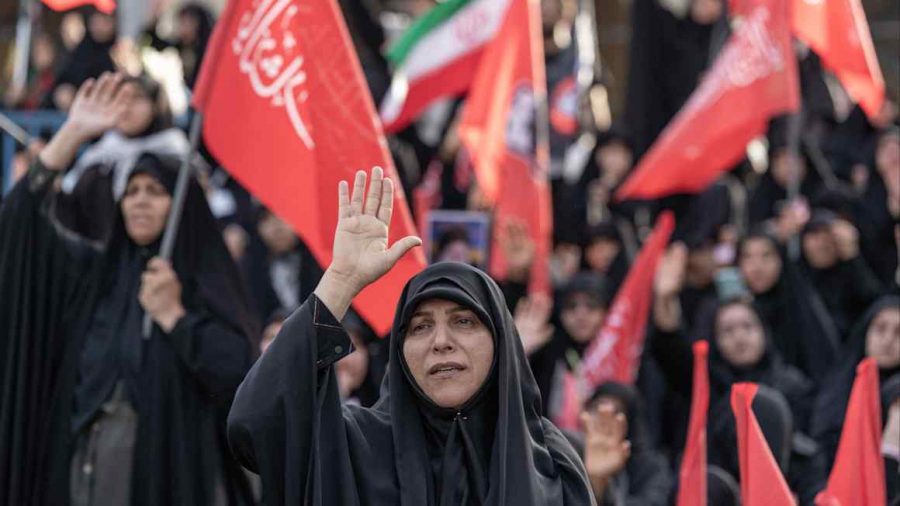
The funeral for the influential religious leader has become a focal point for both grief and fervent nationalism. Mourners filled the streets of Tehran, chanting slogans that echoed the sentiments of revenge against perceived enemies of the state. The atmosphere was charged with emotion, as many attendees emphasized their loyalty to the ayatollah and the broader ideological framework he represented.
Political Implications
Beyond the personal loss, the event carries significant political implications. Analysts suggest that the regime is leveraging the funeral to reinforce its narrative of unity and strength in the face of external pressures. The week-long observance features speeches from high-ranking officials, each reiterating the call for vengeance against those they deem responsible for the ayatollah’s death.
Echoes of the Past
The current situation is reminiscent of past public mourning events that have historically served as a bellwether for political sentiment in Iran. In the wake of the 1979 Revolution, massive gatherings were often utilized by the regime to consolidate power and redirect public anger towards foreign adversaries. The funeral proceedings this week appear to be following a similar trajectory, with officials framing the ayatollah’s death as part of a larger struggle against imperialism.
International Reactions
International observers are closely monitoring the developments in Iran, particularly in light of ongoing tensions with Western nations. The funeral has drawn attention not only for its emotional weight but also for how it reflects the regime’s resilience amidst international sanctions and internal dissent. Analysts caution that the calls for revenge might translate into aggressive foreign policy moves, as the Iranian government seeks to rally public opinion against external adversaries.
The Role of Social Media
Social media platforms have played a crucial role in amplifying the mourning and calls for revenge. Videos and images from the funeral have gone viral, showcasing the massive turnout and the passionate speeches made by attendees. This digital amplification serves both to galvanize support within the country and to send a message to the international community about the regime’s enduring popularity.
Conclusion
The funeral of the ayatollah is more than just a moment of mourning; it is a calculated display by the Iranian regime to reinforce its narrative and galvanize public support in a challenging geopolitical landscape. As mourners call for revenge, the implications of this event will likely resonate far beyond the borders of Iran, influencing both domestic policy and international relations in the months to come.