Landmark Ruling on Cannabis Legalization in Kenya
On July 15, 2023, Kenya’s High Court is poised to deliver a ruling that could reshape the landscape of religious freedom and drug policy in the country. The case centers around a petition from the Rastafarian community, which has long sought the legal recognition of cannabis as a vital component of their religious practice.
The Rastafarian Faith and Cannabis
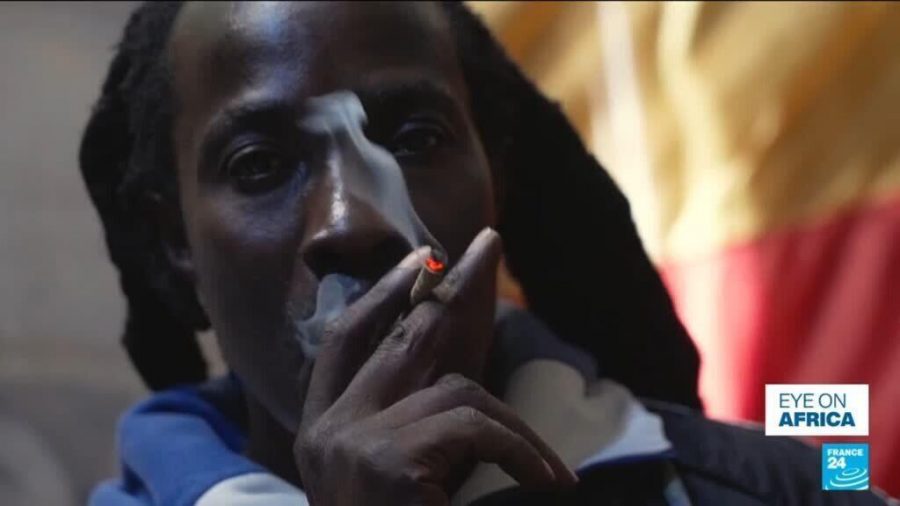
The Rastafarian movement, which originated in Jamaica in the 1930s, has gained a significant following in Kenya, where its teachings and beliefs are officially recognized. Central to this faith is the use of cannabis, often referred to as ‘ganja’, which adherents believe is a sacrament that enhances spiritual connection and promotes healing.
For Rastafarians, cannabis is not merely a recreational drug; it is a crucial element of their religious rituals, symbolizing peace, love, and unity. The community argues that the prohibition of cannabis in Kenya infringes upon their constitutional right to practice their religion freely, as enshrined in the country’s Bill of Rights.
The Legal Battle
The ongoing legal battle has drawn considerable attention, highlighting the tension between Kenya’s strict anti-narcotics laws and the growing movement advocating for drug policy reform. The Rastafarians’ petition asserts that their religious beliefs warrant legal protection for the use of cannabis, challenging the government’s stance that views the substance solely as a harmful narcotic.
The High Court’s decision could set a precedent, influencing not only the Rastafarian community but also other religious and cultural groups that utilize cannabis for spiritual or traditional purposes. Legal experts suggest that a ruling in favor of the Rastafarians could catalyze broader discussions about drug legalization and reform in Kenya, where the war on drugs has led to widespread arrests and stigmatization of users.
Implications of the Ruling
If the High Court sides with the Rastafarians, it could pave the way for a more nuanced approach to cannabis legislation in Kenya. Advocates for drug policy reform argue that legalizing cannabis for religious purposes could serve as a stepping stone toward a more comprehensive reevaluation of drug laws, potentially leading to decriminalization or even legalization for recreational use.
Conversely, a ruling against the Rastafarians may reinforce the stringent anti-drug laws currently in place, further entrenching the stigma surrounding cannabis use and complicating the fight for drug policy reform in the nation.
Public and Governmental Response
The petition has sparked a national conversation about the intersection of religion, personal freedoms, and state regulations. Public opinion is divided, with some viewing cannabis as a dangerous substance that should remain illegal, while others see it as a vital aspect of cultural identity and spiritual expression.
The Kenyan government has historically maintained a hardline stance on drug use, citing public health and safety concerns. However, as global attitudes toward cannabis shift, there is increasing pressure on policymakers to reconsider existing laws.
The Road Ahead
As the High Court prepares to issue its ruling, Rastafarians and advocates for drug reform are holding their breath, aware that the decision could have profound implications for their rights and the future of cannabis legislation in Kenya.
Regardless of the outcome, this case underscores the ongoing struggle for religious freedom and the need for a nuanced discussion about drug policy in a rapidly changing world.