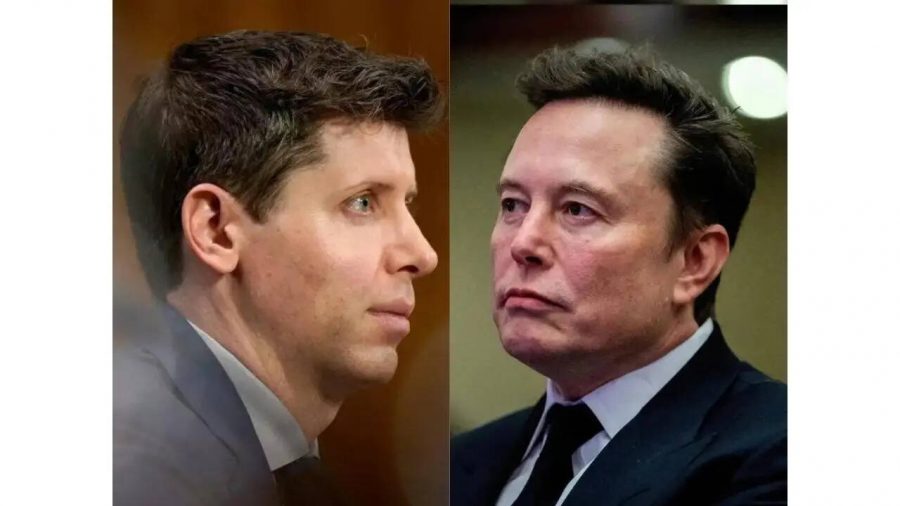
Elon Musk, the CEO of Tesla, recently testified in a high-profile trial against OpenAI, a company he co-founded, accusing its CEO Sam Altman of abandoning the nonprofit mission that drove its creation. The trial has sparked intense interest in the tech and philanthropic communities, with many watching to see how the case will unfold and what implications it may have for charitable giving nationwide.
The Background
Musk co-founded OpenAI with the goal of preventing artificial intelligence from falling into the wrong hands. He envisioned the company as a nonprofit entity that would prioritize the development of AI for the betterment of society, rather than for profit. However, in 2019, OpenAI shifted its structure to a for-profit entity, a move that Musk claims violated the company’s original purpose.
The Trial
Musk’s testimony in the trial was a key moment, as he expressed his concerns about the direction OpenAI has taken under Altman’s leadership. He argued that the company’s shift to a for-profit structure has led to a focus on generating revenue, rather than prioritizing the safety and ethical development of AI. Musk emphasized that the case’s outcome could have far-reaching implications for charitable giving nationwide, as it may set a precedent for how nonprofit organizations can shift their structures and missions.
9 Key Points from Musk’s Testimony
- Musk stated that he co-founded OpenAI to prevent AI from falling into the wrong hands and to ensure that its development was guided by a nonprofit mission.
- He argued that the shift to a for-profit structure violated OpenAI’s original purpose and has led to a focus on generating revenue rather than prioritizing safety and ethics.
- Musk emphasized that the case’s outcome could impact charitable giving nationwide, as it may set a precedent for how nonprofit organizations can shift their structures and missions.
- He expressed concerns about the potential risks of AI development, including the possibility of AI surpassing human intelligence and becoming a threat to humanity.
- Musk argued that OpenAI’s for-profit structure has led to a lack of transparency and accountability, making it difficult to ensure that the company is prioritizing safety and ethics.
- He stated that he had attempted to address his concerns with Altman and the OpenAI board, but was rebuffed.
- Musk claimed that OpenAI’s shift to a for-profit structure was driven by a desire to attract investment and talent, rather than a desire to prioritize the safety and ethical development of AI.
- He argued that the nonprofit model is better suited to ensuring that AI development is guided by a sense of social responsibility, rather than a focus on generating revenue.
- Musk concluded by emphasizing the importance of ensuring that AI development is guided by a sense of ethics and social responsibility, and that the outcome of the case will have significant implications for the future of AI development.
Implications and Next Steps
The outcome of the trial is still uncertain, but one thing is clear: the case has sparked a critical conversation about the role of nonprofit organizations in AI development and the potential risks and benefits of AI. As the trial continues, many will be watching to see how the court rules and what implications the decision may have for charitable giving and AI development nationwide.
In the meantime, experts are weighing in on the implications of the case, with some arguing that a ruling in favor of Musk could have a chilling effect on charitable giving, while others argue that it could help to ensure that nonprofit organizations remain true to their missions. As the case unfolds, one thing is clear: the future of AI development and charitable giving hangs in the balance.