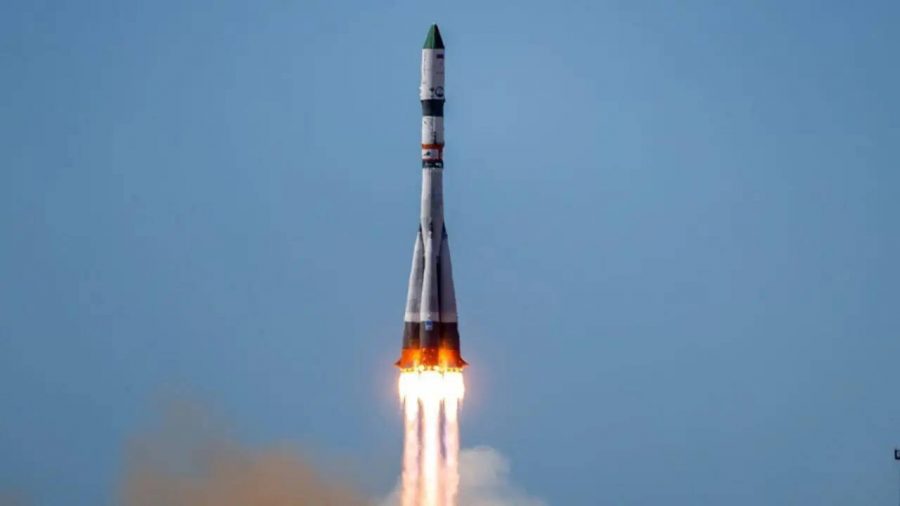
Russia Achieves Milestone with Soyuz-5 Rocket Launch
In a significant advancement for its space program, Russia successfully conducted the maiden launch of its next-generation Soyuz-5 rocket from the Baikonur Cosmodrome. This launch marks a pivotal moment in the evolution of Russian space exploration, showcasing cutting-edge technology and a renewed commitment to maintaining a competitive edge in the global aerospace industry.
Unveiling the Soyuz-5 Rocket
The Soyuz-5 rocket is equipped with what is being touted as the world’s most powerful liquid-fuelled engine. This advanced propulsion system not only enhances the rocket’s capabilities to carry substantial payloads into orbit but also promises to reduce operational costs significantly. With these improvements, Roscosmos, Russia’s space agency, aims to position itself more effectively in the international space arena.
A Step Towards Modernization
Roscosmos has emphasized that the successful launch of the Soyuz-5 is a crucial step in modernizing Russia’s space capabilities. The rocket is designed to replace older models, such as the Soyuz-2, and is integral to the country’s plans for future space missions, including crewed flights, satellite deployments, and potential lunar exploration.
Technical Specifications and Future Prospects
The Soyuz-5 rocket stands out due to its innovative design and technical specifications:
- Engine Power: The rocket’s liquid-fuel engine is capable of delivering unprecedented thrust, making it suitable for heavy-lift missions.
- Payload Capacity: It can carry a variety of payloads, including satellites, scientific instruments, and crewed spacecraft.
- Cost Efficiency: The new engine technology is expected to lower costs, making space access more affordable for various missions.
- Launch Flexibility: Soyuz-5 is designed for versatile launch windows, accommodating a range of trajectories and mission profiles.
As global interest in space exploration intensifies, the introduction of the Soyuz-5 emphasizes Russia’s commitment to staying relevant in a competitive field. This launch is particularly significant as it comes at a time when international partnerships in space are evolving, with countries like the United States, China, and India making strides in their respective programs.
International Reactions and Implications
The successful launch has garnered attention from around the world, with international space agencies and experts closely monitoring Russia’s advancements. Analysts suggest that the Soyuz-5 could reignite collaborations with other nations, especially in areas like scientific research and potential missions to the Moon and beyond.
Looking Ahead
With the successful launch of the Soyuz-5, Roscosmos has laid the groundwork for an ambitious future. Upcoming missions are likely to focus on not only enhancing Russia’s presence in low Earth orbit but also exploring opportunities for lunar and interplanetary exploration.
In conclusion, the Soyuz-5 rocket represents a leap forward for Russia’s space exploration efforts, combining advanced technology with strategic foresight. As the world watches closely, the implications of this launch could reshape the landscape of global space exploration for years to come.