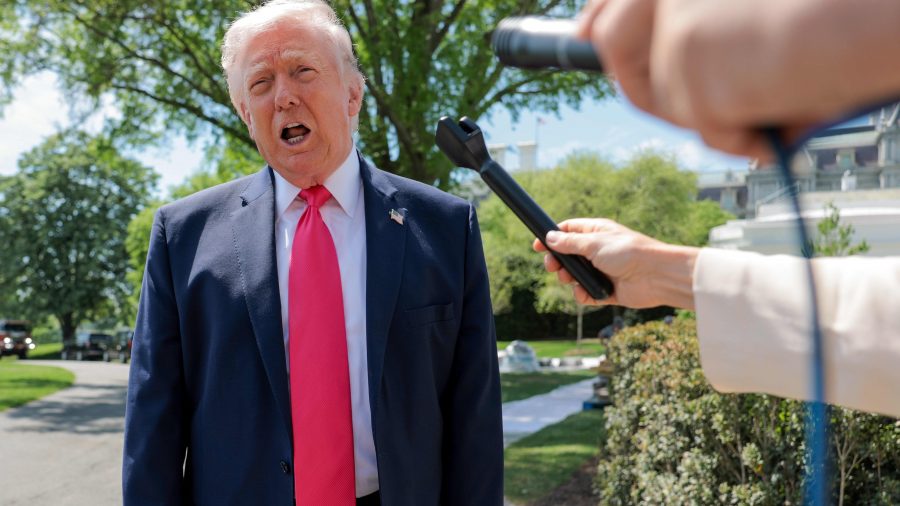
Trump’s Insights on Iran’s Leadership and Peace Efforts
Former President Donald Trump has made headlines once again with his recent comments regarding Iran and its leadership dynamics. In a statement that reflects his ongoing interest in foreign policy, Trump asserted that while Iran is eager to negotiate a deal, he is far from satisfied with the current state of affairs. This declaration comes amidst ongoing tensions and complexities that have emerged since the United States initiated military actions against Iran in late February.
The Current State of Iran’s Leadership
Trump highlighted what he described as “tremendous discord” among Iran’s leaders. This internal strife, according to him, has significantly complicated efforts to bring about a cessation of hostilities that have escalated in the region. The former president’s remarks underscore the challenges facing diplomatic negotiations, suggesting that without a unified front from Iranian leadership, any potential deal could be fundamentally flawed.
Implications for U.S.-Iran Relations
The implications of Trump’s statements are significant, particularly in the context of U.S.-Iran relations, which have been fraught with tension for decades. Many analysts believe that the discord among Iranian leaders could hinder any meaningful dialogue aimed at de-escalating military actions. Trump’s comments suggest that he views the current Iranian regime as divided and potentially incapable of presenting a coherent negotiating position.
The Broader Context of the Conflict
The war initiated by the United States in late February has led to escalating violence and humanitarian issues, raising urgent calls for peace from various international actors. The complexities of the situation are further exacerbated by the geopolitical interests of other nations in the region, many of whom have their own agendas that may conflict with the peace process.
Trump’s Negotiation Strategy
During his presidency, Trump often emphasized his approach to foreign negotiations, which he characterized as tough and uncompromising. His willingness to walk away from deals if they did not meet his standards was a hallmark of his administration. In this latest context, his refusal to accept a deal with Iran that does not satisfy his criteria suggests a continuation of his hardline stance, which may resonate with certain segments of the American public who prioritize national security.
The Challenges Ahead
As the situation evolves, the challenge for current U.S. leadership will be navigating the complexities of Iran’s internal divisions while also considering the broader implications of military engagement in the region. Experts suggest that any effective negotiation strategy will require a nuanced understanding of the multifaceted nature of Iranian politics and the external pressures that influence them.
Conclusion: The Road to Resolution
Ultimately, the road to peace in the region will not be straightforward. Trump’s assertion that Iran is keen to negotiate may hold some truth, but without a cohesive leadership capable of making firm decisions, any potential agreements could remain elusive. As the world watches, the hope for a resolution to the conflict hinges on the ability of all parties to find common ground amidst the discord.