Understanding the Impact of Second Home Taxes
In recent years, the tax implications of owning second homes have sparked heated debates across the nation. For some, like Sally Howdle, these financial burdens have turned what was once a dream into a daunting nightmare.
Sally Howdle’s Unexpected Burden
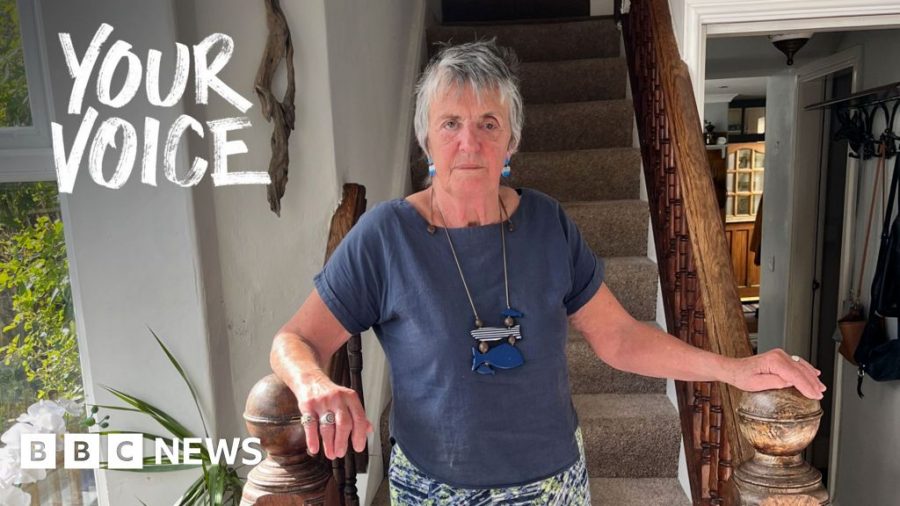
Sally Howdle, a resident of the picturesque town of Windermere, never imagined that her aspirations of owning a second home would culminate in a financial crisis. “I always thought that owning a second property would be a wise investment, a little getaway for my family and me,” she says. However, things took a turn when she realized the hefty bills that come with maintaining not one, but two second homes.
The Financial Toll of Second Home Ownership
Howdle’s dream quickly morphed into a financial burden as she faced escalating property taxes and maintenance costs. “I feel trapped by the financial commitments that I didn’t fully understand when I made the purchase,” she explains. The tax implications on her second properties have not only drained her savings but have also placed an enormous strain on her mental well-being.
Voices of Dissent
While Howdle’s experience highlights the struggles faced by many second home owners, others argue that the strict tax regulations are essential. Local government officials contend that these taxes are crucial for funding community services and maintaining local infrastructure, which often suffers due to an influx of non-resident property owners.
One official, who wished to remain anonymous, stated, “Second homes can inflate property values and make it difficult for local families to find affordable housing. The taxes help mitigate this issue and ensure that the local economy remains viable.” This perspective is echoed by many community members who believe that the regulations are necessary for preserving the integrity of local neighborhoods.
The Broader Debate on Second Home Regulations
The conversation surrounding second home taxes is multifaceted, with both sides presenting compelling arguments. Advocates for stricter regulations point out that high property taxes can deter investors from buying homes simply for profit, thereby easing the housing crisis in many areas. They argue that such measures are vital for maintaining a balanced real estate market.
- Proponents of the tax regulations argue:
- They help keep housing affordable for locals.
- They fund essential public services such as schools and emergency services.
- They prevent property speculation and maintain community integrity.
Howdle’s Future and Possible Solutions
Despite her current predicament, Sally Howdle remains hopeful about the future. “I’m exploring options to either sell one of the properties or convert them into rental units to offset the costs,” she shares. However, navigating the complexities of local regulations has proven challenging.
As communities grapple with the consequences of second home ownership, the debate continues. Are strict regulations necessary to protect local interests, or do they unfairly penalize individuals like Howdle who simply want a place to escape? Only time will tell what changes lie ahead in the realm of second home taxes.