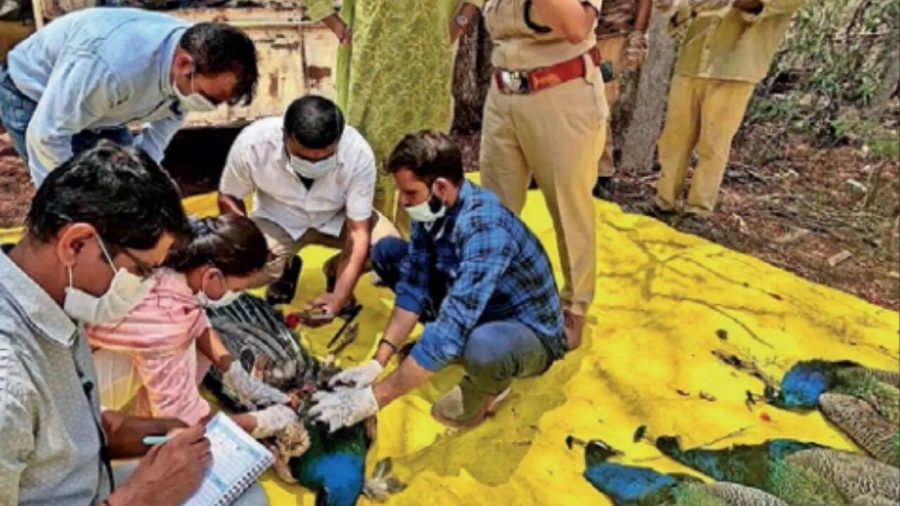
In a concerning development for wildlife and public health, laboratory reports have confirmed that the deaths of 44 peacocks in Tumakuru, Karnataka, were caused by the H5N1 avian influenza virus. This alarming outbreak, recorded between April 16 and April 24, has prompted local authorities to take immediate action to prevent further spread of the disease.
Understanding the Outbreak
The outbreak of H5N1 avian influenza, commonly known as bird flu, has raised significant alarm among wildlife experts and health officials. H5N1 is a highly pathogenic virus that affects birds and can have serious implications for other species, including humans.
Timeline of Events
The first signs of trouble emerged in mid-April when authorities in Tumakuru, located about 70 kilometers from Bengaluru, reported unusual deaths among the local peacock population. Following an investigation, laboratory tests confirmed the presence of the H5N1 virus.
Immediate Actions Taken
In response to the outbreak, officials have implemented strict measures aimed at controlling the situation. A high alert has been declared across 33 villages within a 10-kilometer radius of the affected area. These measures include:
- Disinfectant Spraying: Authorities are conducting extensive spraying of disinfectants in and around the villages to eliminate any traces of the virus.
- Enhanced Surveillance: Surveillance efforts have been intensified to monitor the health of local bird populations and detect any further cases of avian influenza.
- Public Awareness Campaigns: Local wildlife officials are educating residents on the importance of reporting sick or dead birds to prevent further outbreaks.
The Importance of Vigilance
Health officials emphasize the significance of remaining vigilant during this period. H5N1 can pose risks not only to avian species but also to humans, particularly those who come into direct contact with infected birds. The risk of transmission to humans is considered low but not negligible, making precautionary actions essential.
Impact on Local Wildlife
Peacocks, which are the national bird of India, hold cultural significance and play an essential role in the ecosystem. The deaths of 44 birds in such a short timeframe raise concerns about the health of the local wildlife population and biodiversity in the region.
Future Implications
Experts warn that if the outbreak is not contained swiftly, it could lead to more extensive consequences for both wildlife and livestock. The potential for H5N1 to spread to domestic birds poses a significant risk to the poultry industry, which is a vital source of livelihood for many residents in Karnataka.
Conclusion
The situation in Tumakuru serves as a stark reminder of the ongoing threat posed by zoonotic diseases, which can leap from animals to humans. As authorities continue their efforts to control the H5N1 avian influenza outbreak, the cooperation of local communities will be crucial in safeguarding public health and wildlife.
Residents are urged to remain cautious, report any unusual bird deaths, and adhere to guidelines issued by health officials to mitigate the risk of further spread. The vigilance of both authorities and the public will play a pivotal role in navigating this health crisis and ensuring the safety of the community.